What happened
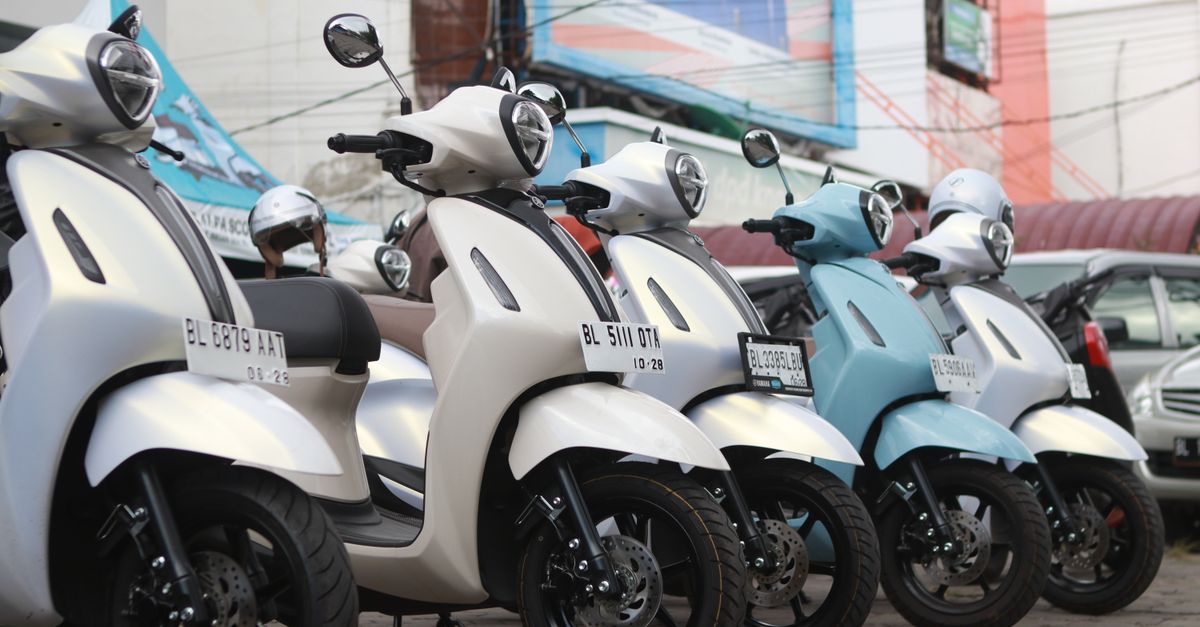
Recent data from BikeWale, Kenya’s leading online motorcycle marketplace, confirms that the Avera Retrosa Lite E electric motorcycle is now listed for prospective buyers in the Kra Daadi area. The online entry indicates that the model is available for purchase, yet the platform does not disclose a final sale price. This development signals that the Avera brand, previously known for its affordable conventional bikes, is expanding its electric‑vehicle portfolio into regions beyond Nairobi, where demand for low‑cost, low‑emission transport is rising.
Context and background
Avera Motors, a Kenyan‑based manufacturer founded in 2002, has traditionally focused on petrol‑powered commuter motorcycles that cater to small‑business owners and daily commuters. In the past two years the company has introduced a limited range of electric models, including the Retrosa Lite E, which boasts a 1.5 kWh battery, a top speed of 45 km/h, and a claimed range of up to 80 km on a single charge. BikeWale’s listing marks the first time the model has been explicitly linked to the Kra Daadi sub‑county, a region that historically relies on diesel‑powered motorbikes for goods transport and passenger services.
The Kenyan electric‑motorcycle market is still nascent but growing rapidly. According to the Kenya Association of Manufacturers, imports of electric two‑wheelers increased by roughly 35 % in 2023, driven by government incentives such as a reduced import duty of 5 % for fully assembled electric vehicles, compared with the standard 25 % duty on conventional motorcycles. However, buyers still face a Value Added Tax (VAT) of 16 % on the declared customs value, and a registration fee that varies by county. These fiscal components shape the final on‑road price that small enterprises must budget for.
Kra Daadi, located in the former Rift Valley Province, has a population of about 150,000 and a growing informal sector that relies heavily on motorised transport for market day logistics. The sub‑county’s road network has improved through recent county‑government projects, making it more feasible for electric bikes to operate efficiently. Yet, the region’s average disposable income remains lower than that of Nairobi, meaning that price sensitivity is a critical factor for any new vehicle introduction.
Compared with what is normal
When electric motorcycles are introduced in Kenya, their on‑road price typically falls between Sh12,000 and Sh30,000, depending on battery capacity, brand reputation, and ancillary accessories such as charging kits. Conventional petrol‑powered equivalents from the same manufacturer often retail for between Sh8,000 and Sh15,000. The lack of a disclosed price for the Avera Retrosa Lite E makes it difficult for Kra Daadi buyers to gauge whether the model aligns with these market benchmarks. Below are a few points of comparison that illustrate where the new listing sits relative to established norms.
- Typical battery‑only cost for a 1.5 kWh pack ranges from Sh4,000 to Sh7,000.
- Standard import duty for fully assembled electric bikes is 5 % of the CIF value, versus 25 % for petrol bikes.
- VAT adds a further 16 % on top of the customs‑adjusted price, a factor that often pushes the final retail price into the upper half of the Sh12,000‑Sh30,000 band.
- In Nairobi, similar e‑bikes are often sold with a one‑year warranty and a free charging station installation, incentives that may not be immediately available in Kra Daadi.
- Dealer markup in remote counties can add an extra 10‑15 % to cover transportation and after‑sales service costs.
Why it matters
For small‑scale traders, transport operators, and everyday commuters in Kra Daadi, the introduction of an electric motorcycle offers the promise of lower fuel expenses, reduced maintenance, and compliance with emerging environmental regulations. A petrol‑powered bike typically consumes about 1 liter of fuel per 30 km, costing roughly Sh120 per refill, whereas an electric bike’s electricity cost for the same distance is usually under Sh15, assuming a standard household tariff. Over a year, the savings can amount to several thousand shillings, a margin that can be reinvested in business growth.
However, the initial purchase price remains a decisive barrier. If the Avera Retrosa Lite E is priced toward the upper end of the Sh30,000 range, many micro‑entrepreneurs may find the capital outlay prohibitive, especially when credit facilities are scarce in rural counties. Moreover, the tax structure—import duty, VAT, and county registration fees—adds layers of cost that must be factored into cash‑flow planning. Understanding these components enables buyers to negotiate better terms with dealers or explore financing options that spread the expense over a manageable period.
Practical steps
- Visit the BikeWale listing directly, note any contact details, and request a formal quotation that breaks down the base price, import duty, VAT, and registration fees.
- Compare the quoted total with prices of comparable electric models from other brands such as Kymco, Hero, or local assemblers, using the typical Sh12,000‑Sh30,000 benchmark as a guide.
- Calculate the projected operating cost savings by estimating monthly kilometres travelled, electricity rates, and fuel costs avoided; this will help you assess the pay‑back period.
- Explore financing options offered by county micro‑finance institutions or mobile‑money lenders that specialise in vehicle loans, ensuring the interest rate and repayment schedule align with your cash‑flow forecasts.
- Confirm whether the dealer provides after‑sales support, warranty coverage, and access to a nearby charging station, as these services can affect long‑term reliability and total cost of ownership.
Beavoren Ventures offers a specialised Tax Planning & Compliance service that can help SMEs and individual buyers navigate import duties, VAT obligations, and registration requirements for electric motorcycles, ensuring that you optimise cash flow while remaining fully compliant with Kenyan tax law.
Talk to our team at Beavoren Ventures - info@beavorenventures.co.ke - to set up your systems correctly.
Disclaimer: This article is informational and does not constitute formal tax, audit or legal advice. For guidance specific to your circumstances, please contact Beavoren Ventures.