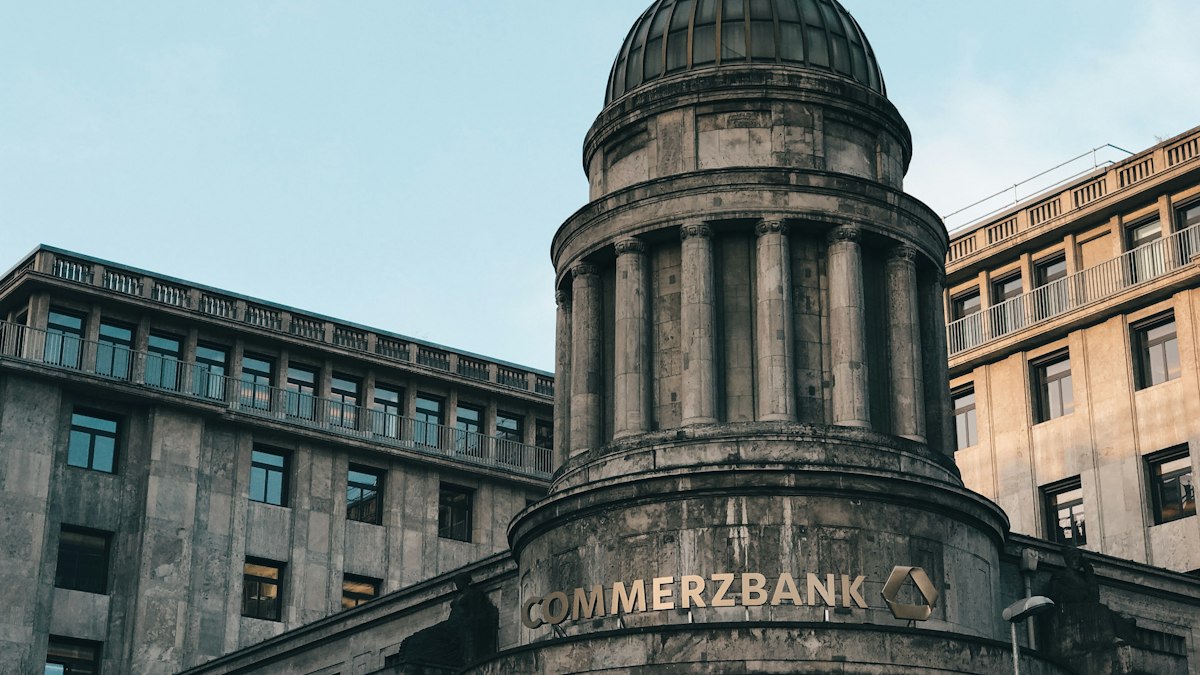
What happened
On the trading platform TradingView, data shows that Commerzbank Aktiengesellschaft (ticker CBK) bought an additional 3.68 million shares of its own stock. This purchase pushes the cumulative share buy‑back to 17.95 million shares since the bank began the programme on 4 September. The information comes directly from market‑wide transaction logs and reflects a notable increase in the bank’s own‑share holdings over a short period. No price per share or total monetary outlay has been disclosed publicly, but the volume alone signals a decisive move by the German lender.
Context and background
Commerzbank, one of Germany’s largest universal banks, has a history of using share repurchases to manage capital structure and signal confidence to investors. The latest tranche of 3.68 million shares follows a series of purchases that started early September, a period when the European banking sector faced mixed earnings reports and heightened regulatory scrutiny. By increasing its share count, the bank aims to reduce the number of shares outstanding, which can improve earnings per share (EPS) and potentially lift the market price.
The decision aligns with a broader trend among European banks that have turned to buy‑backs as a tool for returning value to shareholders without committing to dividend hikes. In Commerzbank’s case, the board approved an additional €2 billion for share repurchases earlier this year, a figure that remains within the bank’s capital adequacy framework set by the European Central Bank. The 17.95 million shares bought since September represent a substantial portion of the bank’s authorized buy‑back allocation, though the exact percentage of total outstanding shares is not disclosed.
Analysts monitoring the transaction note that the timing coincides with the bank’s ongoing restructuring efforts, which include cost‑cutting measures and a focus on digital banking services. By buying back shares, Commerzbank can also offset dilution from employee stock options and other equity‑based compensation schemes. While the German market regulator BaFin requires transparent reporting of large share purchases, the data released on TradingView provides investors worldwide, including those in Kenya, a clear view of the scale of the activity.
Compared with what is normal
Share repurchase programmes in the European banking sector typically range from a few hundred million euros to over a billion euros annually, depending on profitability and regulatory capital buffers. In the past twelve months, most major German banks have repurchased between 5 million and 12 million shares each year. Commerzbank’s cumulative 17.95 million shares since early September therefore exceeds the average annual pace of many peers, indicating a more aggressive approach. Compared with its own historical buy‑back activity, the current volume is among the highest recorded in a single quarter, suggesting the bank is capitalising on favourable market conditions or a strategic shift to strengthen its balance sheet.
Why it matters
For Kenyan SME owners and investors, the significance lies in understanding how large‑scale share buy‑backs can affect market dynamics and investor sentiment. When a well‑known institution like Commerzbank reduces its share supply, the immediate effect can be upward pressure on the share price, which may attract foreign investors seeking stable returns. Kenyan investors with exposure to European equities, either directly or through mutual funds, could see portfolio valuations shift as the bank’s stock reacts to the buy‑back news. Moreover, the move signals confidence from the bank’s management, a factor that can influence credit ratings and, indirectly, the cost of borrowing for businesses that rely on European banks for trade finance.
Practical steps
- Monitor your investment exposure: Review any holdings you have in European banking stocks or funds that include Commerzbank. Adjust allocations if the share‑price movement does not align with your risk profile.
- Assess currency risk: Any gains or losses on foreign‑denominated assets will be affected by the Shilling‑Euro exchange rate. Consider hedging strategies if the exposure is material.
- Stay informed on regulatory updates: Follow announcements from BaFin and the European Central Bank, as changes to capital rules can impact future buy‑back capacity and dividend policies.
- Leverage local financial advice: Consult with a qualified accountant or financial adviser to understand how shifts in foreign equity markets may affect your business’s cash‑flow forecasts and financing options.
- Review your own share‑ownership policies: If your company holds employee stock options or plans to issue equity, note how large buy‑backs can affect dilution and valuation metrics.
Our Financial Management & Analysis service can help you interpret global market moves, such as Commerzbank’s share repurchase, and integrate the insights into your budgeting, forecasting and risk‑management processes.
Talk to our team at Beavoren Ventures - info@beavorenventures.co.ke - to set up your systems correctly.
Disclaimer: This article is informational and does not constitute formal tax, audit or legal advice. For guidance specific to your circumstances, please contact Beavoren Ventures.