What happened
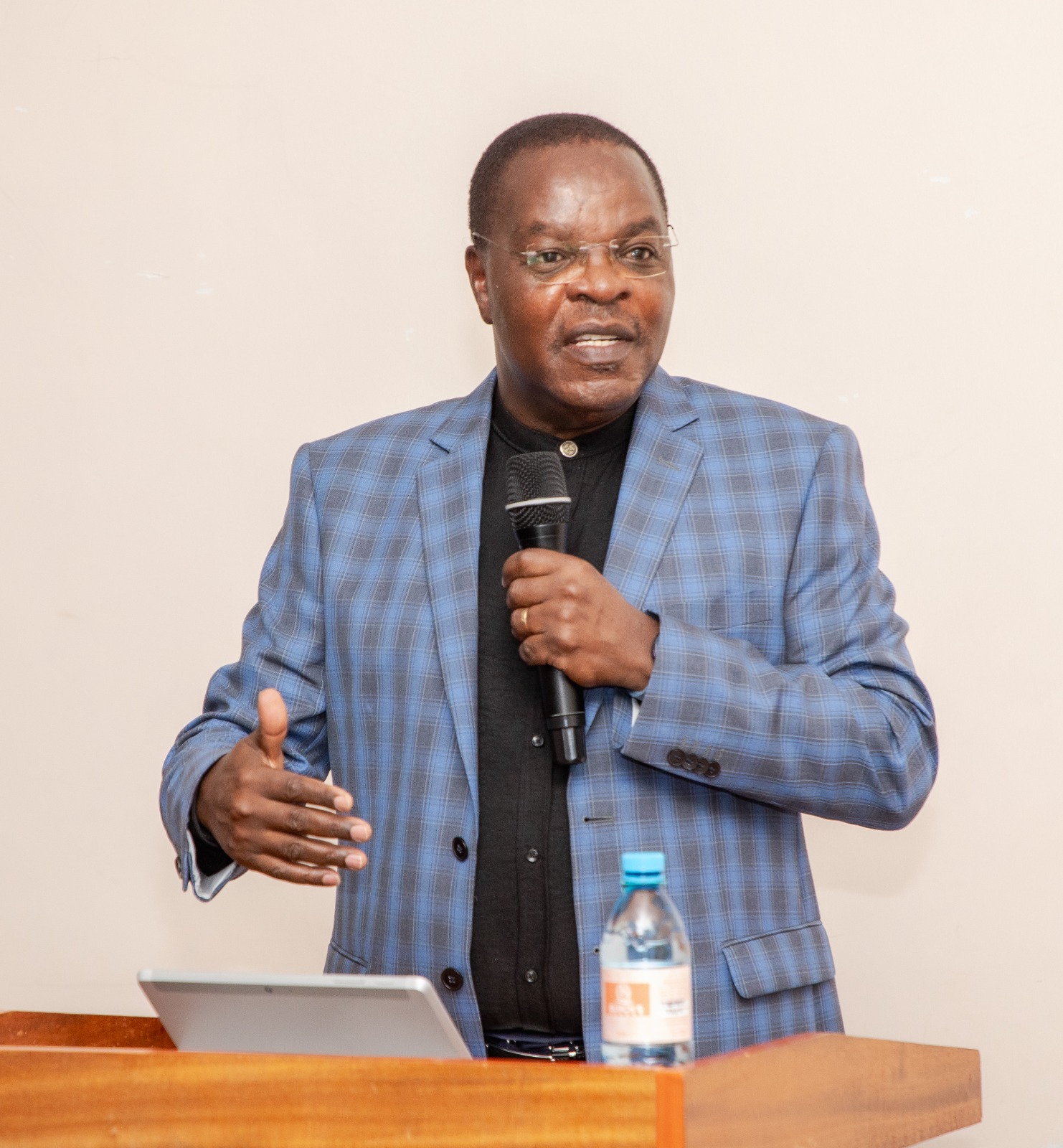
On Thursday, Dr. David Oginde, the Chairperson of the Ethics and Anti‑Corruption Commission (EACC), opened a two‑day capacity‑building workshop for the Chairperson, Vice‑Chairperson and members of the Public Service Commission (PSC). In his opening remarks he called for the automation of the wealth declaration system and the integration of public‑service digital platforms. The aim, he said, is to strengthen Kenya’s fight against corruption and to eliminate conflicts of interest among senior public officials. The announcement was reported by KBC Digital on 1 October 2026.
Context and background
The EACC, established under the Ethics and Anti‑Corruption Act of 2011, is Kenya’s lead agency for preventing, investigating and prosecuting corruption. Dr. Oginde, a former professor of public policy, has been chair since 2022 and has overseen several high‑profile investigations into misuse of public funds. The current push for digital tools follows a series of scandals where manual wealth declarations were either incomplete or deliberately falsified, undermining public trust. By linking wealth declarations to existing government databases, the commission hopes to create a transparent, real‑time verification process.
The PSC workshop, hosted in Nairobi, brings together senior civil servants responsible for appointing and overseeing government officials. Over the past decade, Kenya has struggled with delayed implementation of the automated asset declaration system first introduced in 2015. Technical glitches, limited funding, and resistance from some officials have slowed progress, leaving a patchwork of paper‑based and semi‑digital records. Dr. Oginde’s remarks signal a renewed political will to overcome these obstacles, especially as the 2027 general elections approach.
Internationally, many countries have moved to digital asset declarations to curb illicit enrichment. Kenya’s neighbours, such as Uganda and Tanzania, have launched online portals that automatically cross‑check declared assets with tax records and land registries. The EACC’s proposal mirrors these models, aiming to integrate the wealth declaration platform with the Integrated Financial Management Information System (IFMIS) and the Kenya Revenue Authority’s (KRA) taxpayer database. If successful, the system could flag discrepancies within days rather than months, allowing investigators to act swiftly.
Compared with what is normal
Historically, Kenya’s wealth declaration process has been largely manual, requiring officials to submit paper forms that are later entered into a central database by clerks. The average processing time for a declaration has been six to eight weeks, and verification rates have hovered around 45 percent, according to a 2023 audit by the Office of the Auditor‑General. In contrast, fully automated systems in Rwanda and Botswana achieve verification rates above 90 percent within 48 hours. The proposed automation would therefore represent a leap from a low‑efficiency, high‑risk regime to a high‑efficiency, low‑risk environment.
- Manual declarations: average 6‑8 weeks processing, 45 % verification.
- Regional digital peers: 48‑hour verification, >90 % accuracy.
- Proposed Kenyan system: real‑time cross‑checking with IFMIS and KRA.
Why it matters
For Kenyan SMEs and everyday citizens, a transparent wealth declaration system can reduce the perception that public office is a shortcut to personal enrichment. When officials are required to disclose assets digitally, any unexplained increase in wealth can be flagged and investigated before it translates into policy favours or contract awards. This creates a more level playing field for businesses competing for government tenders, as decisions become less susceptible to hidden patronage. Moreover, the integration with tax records could improve revenue collection, as undeclared assets are more likely to be taxed appropriately.
Practical steps
- Stay informed: Monitor announcements from the EACC and PSC on the rollout timeline, and attend any public webinars or briefings offered to clarify the new procedures.
- Review internal compliance: If your company works closely with government agencies, ensure your own asset and conflict‑of‑interest registers are up‑to‑date and aligned with the forthcoming digital standards.
- Engage your accountants: Ask your finance team or external advisors to assess how the automated system might affect your reporting obligations, especially if you have senior staff who also hold public positions.
- Prepare documentation: Gather supporting evidence for any declared assets—property titles, bank statements, share certificates—so that they can be uploaded quickly once the portal is live.
Beavoren Ventures’ Audit & Assurance team can help organisations navigate the transition to automated wealth declarations, ensuring that records are accurate, compliant and ready for digital verification.
Book a consultation with Beavoren Ventures today and let us handle your compliance, books, and advisory in one place.
Disclaimer: This article is informational and does not constitute formal tax, audit or legal advice. For guidance specific to your circumstances, please contact Beavoren Ventures.