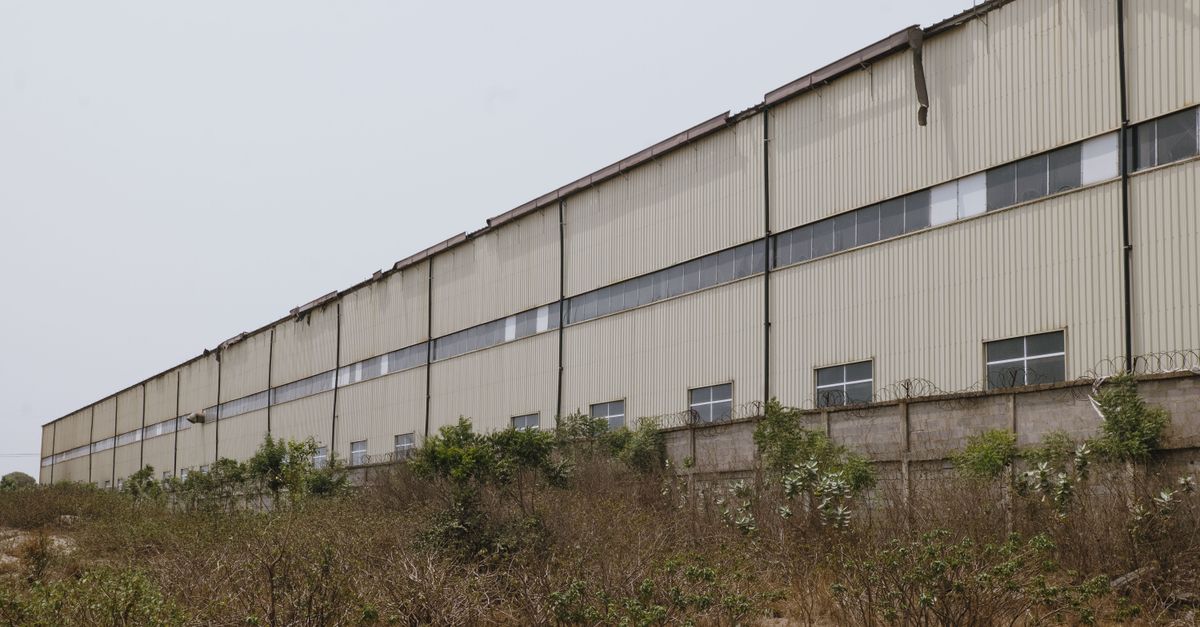
What happened
Infinity Industrial Park, a major mixed‑use development in Kenya, has formally approached the Central Bank of Kenya (CBK) for guidance and possible intervention after a Kenyan court ordered the end of the administration of the bank that had been providing its core financing. The court’s decision, reported by The Star, removed the court‑appointed administrator from the bank’s operations, leaving Infinity Industrial Park without its primary source of credit at a critical stage of construction. The park’s management said the move forces them to look to the regulator for short‑term liquidity solutions and a clear path forward.
Context and background
Infinity Industrial Park is a flagship project located near Nairobi’s industrial corridor, designed to host manufacturing firms, logistics hubs, and commercial offices. The development, backed by both private investors and foreign partners, has been marketed as a catalyst for job creation and export‑oriented growth. Over the past two years, the park secured a syndicated loan from a Kenyan commercial bank that had been placed under statutory administration following concerns about its solvency and governance.
The administration of the bank began after the Financial Reporting Centre (FRC) raised red flags about non‑performing loans and alleged mis‑reporting of asset quality. A court appointed an independent administrator to protect depositors and preserve the bank’s operational continuity while a restructuring plan was explored. During this period, the bank continued to service existing loan agreements, including the facility extended to Infinity Industrial Park.
Earlier this month, the High Court concluded that the conditions for continued administration were no longer met, citing improvements in the bank’s capital adequacy and the completion of a partial asset‑sale process. Consequently, the court lifted the administrator’s authority, effectively returning full control to the bank’s board. This abrupt change has left borrowers like Infinity Industrial Park uncertain about the bank’s capacity to honour its commitments, especially as the park approaches its third phase of construction.
In Kenya, the Central Bank plays a supervisory role over commercial banks and can intervene in systemic liquidity crises. While the CBK does not typically act as a direct lender to private projects, it can facilitate emergency credit lines, coordinate with other financial institutions, or provide regulatory guidance to ensure that essential development projects are not derailed by banking disruptions. Infinity Industrial Park’s request to the CBK signals the seriousness of the financing gap and the potential ripple effects on contractors, suppliers, and prospective tenants.
Compared with what is normal
Under ordinary circumstances, large‑scale industrial parks secure financing through a combination of equity, long‑term bonds, and stable bank loans that are not subject to sudden administrative changes. The typical Kenyan banking environment allows borrowers to renegotiate terms with their lenders without involving the regulator. The current scenario deviates from that norm in several ways:
- Bank administration is a rare occurrence; only a handful of Kenyan banks have been placed under court‑appointed administration in the past decade.
- Termination of administration without a clear transition plan is unusual, creating a sudden vacuum for borrowers.
- Direct engagement of the CBK with a private development project is not standard practice; it usually occurs only in systemic financial distress.
Why it matters
The uncertainty surrounding financing for Infinity Industrial Park has immediate implications for Kenyan SMEs that have already signed lease agreements or are waiting to move into the park’s manufacturing units. Without assured credit, contractors may delay work, leading to cost overruns and postponed job creation. Moreover, the park’s intended role in boosting export‑oriented production could be compromised, affecting Kenya’s trade balance and foreign exchange earnings. For investors, the episode underscores the importance of assessing counter‑party risk not just at the borrower level but also at the lender’s health. Finally, the situation puts pressure on the CBK to demonstrate its capacity to safeguard critical infrastructure projects from banking sector turbulence.
Practical steps
- Review existing loan agreements for clauses that address lender insolvency or administration, and consult legal counsel on possible remedies.
- Engage with the CBK’s Financial Stability Department to understand any emergency liquidity facilities that may be available for projects deemed of national importance.
- Explore alternative financing sources, such as development finance institutions, private equity, or bond issuance, to diversify funding and reduce reliance on a single bank.
- Communicate transparently with tenants and contractors about the financing status, outlining contingency plans to maintain confidence and avoid project delays.
Beavoren Ventures offers a Financial Management & Analysis service that can help businesses assess the impact of banking disruptions, restructure financing arrangements, and navigate regulatory engagements with the CBK.
Book a consultation with Beavoren Ventures today and let us handle your compliance, books, and advisory in one place.
Disclaimer: This article is informational and does not constitute formal tax, audit or legal advice. For guidance specific to your circumstances, please contact Beavoren Ventures.