What happened
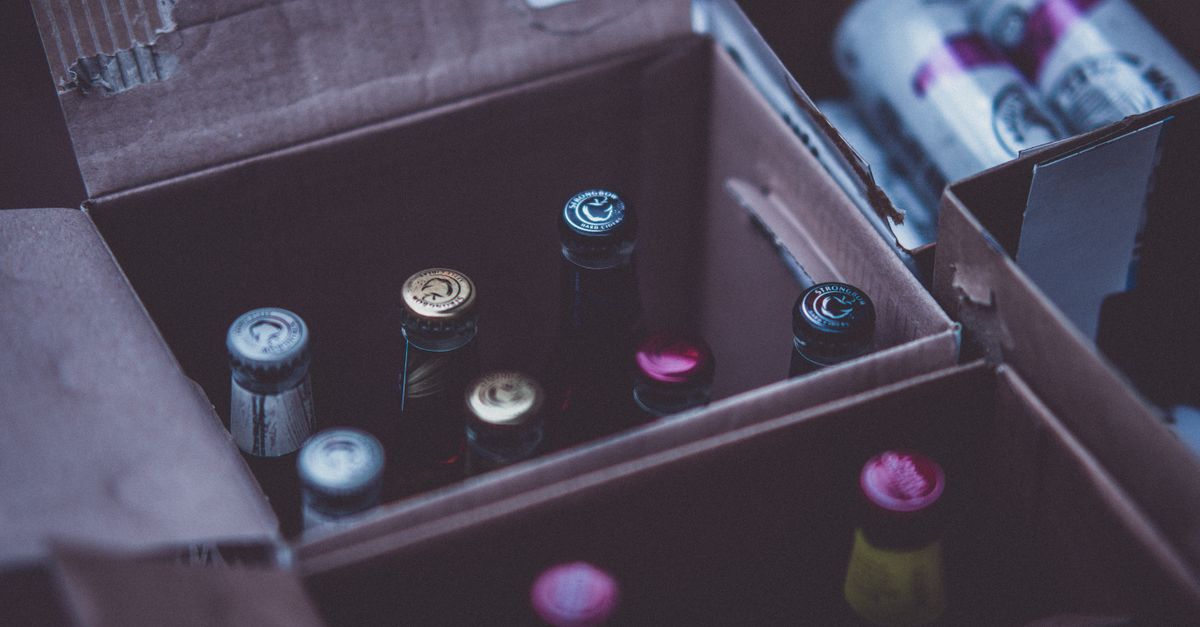
The Kenya Revenue Authority (KRA) announced on Monday that officers uncovered a sizeable hidden stash of alcoholic beverages behind a bathroom wall in a commercial premises located in Baringo County. The discovery was part of a coordinated operation that involved six entry points – a detail highlighted in the media report titled “Six gates, one secret”. According to the report, the hidden stock appeared to be stored without any record of excise duty payment, suggesting deliberate tax evasion. KRA officials seized the bottles, sealed the premises and are now investigating the owners for possible violations of the Excise Duty Act. The incident has drawn attention from both local traders and regulatory bodies, who see it as a reminder of the ongoing challenge of illegal alcohol trade in Kenya.
Context and background
KRA’s enforcement arm has, over the past few years, intensified raids on establishments suspected of smuggling or evading excise duties on alcohol and tobacco. The agency operates under the Excise Duty Act of 2015, which mandates that all producers, importers and distributors register their products and remit the appropriate tax. In Baringo, informal markets have historically been a conduit for untaxed alcohol, often sold at lower prices than licensed outlets. This particular raid was triggered after intelligence reports indicated unusual activity at the location, prompting a six‑gate approach to prevent suspects from fleeing or destroying evidence.
The six‑gate strategy, described by KRA as a “comprehensive containment method”, involves sealing all possible exits before commencing a search. This tactic is designed to ensure the integrity of the operation and to capture any hidden contraband. In this case, officers discovered a false wall behind the bathroom that concealed dozens of sealed bottles, many of which bore no label indicating the brand or tax stamp. The lack of documentation points to a deliberate attempt to bypass the formal supply chain, a practice that undermines government revenue and poses health risks due to unregulated production standards.
Historically, KRA has reported that illegal alcohol accounts for a significant share of the uncollected excise duty each fiscal year. While exact figures fluctuate, the Kenya Revenue Authority’s annual reports have highlighted that illicit alcohol undermines revenue targets by millions of shillings. The Baringo incident is not isolated; similar raids have been reported in Nairobi, Kisumu and Mombasa, where hidden compartments and false ceilings have been used to conceal untaxed liquor. These operations collectively signal a broader pattern of non‑compliance that the agency is determined to curb.
Local business owners and the community have expressed mixed reactions. Some view the raid as a necessary enforcement of law and public safety, while others fear that aggressive crackdowns could disrupt legitimate small‑scale traders who rely on informal supply chains for livelihood. The balance between revenue collection, public health, and supporting small businesses remains a contentious policy issue in Kenya.
Compared with what is normal
In a typical KRA inspection of licensed premises, officers focus on verifying tax stamps, checking inventory records and ensuring that sales receipts match reported volumes. The discovery of a concealed stash behind a bathroom wall is far from routine and reflects a higher level of premeditation. Compared to standard inspections, this operation involved:
- Six coordinated entry points rather than a single entry, indicating a high‑risk target.
- Use of a false structural element (the bathroom wall) to hide inventory, a tactic rarely seen in ordinary compliance checks.
- Absence of any official documentation for the alcohol, contrasting sharply with the paperwork normally required for licensed sales.
Normally, KRA’s routine checks result in minor adjustments to tax filings, but a raid of this magnitude can lead to criminal prosecution, hefty fines and possible closure of the business. The Baringo case therefore stands out as an outlier that underscores the lengths some operators will go to evade tax.
Why it matters
The seizure has several direct implications for Kenyan SMEs and the broader economy. First, it highlights a revenue loss risk: untaxed alcohol deprives the national treasury of funds that could be allocated to public services such as health and infrastructure. Second, the hidden stock raises public health concerns because unregulated production may bypass safety standards, exposing consumers to harmful contaminants. Third, the incident serves as a warning to legitimate traders that non‑compliance carries severe penalties, potentially prompting a shift toward greater transparency in the supply chain. Finally, the raid may influence future policy discussions about how to balance strict enforcement with support for small‑scale entrepreneurs who operate in informal sectors.
Practical steps
- Review your inventory records and ensure that every bottle of alcohol in your stock has a valid excise duty receipt and tax stamp.
- Conduct an internal audit of your premises to confirm there are no concealed storage areas that could be interpreted as an attempt to evade tax.
- Register any informal supply arrangements with KRA and seek guidance on proper documentation to avoid future penalties.
- Stay informed about KRA’s enforcement notices and attend any local workshops on excise duty compliance offered by the authority or professional bodies.
For businesses concerned about navigating the complexities of tax compliance, Beavoren Ventures offers a specialised “Tax Planning & Compliance” service that can help you align your operations with KRA regulations and mitigate risk.
Need help with compliance? Email info@beavorenventures.co.ke or call +254 716 296 857.
Disclaimer: This article is informational and does not constitute formal tax, audit or legal advice. For guidance specific to your circumstances, please contact Beavoren Ventures.