What happened
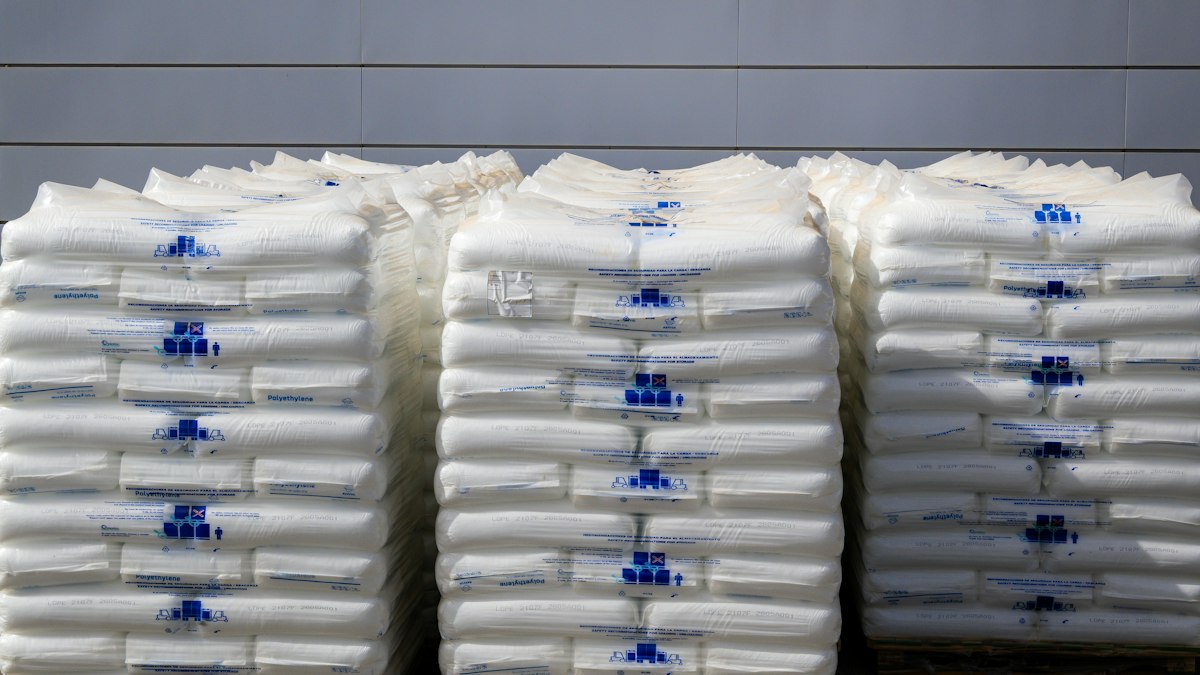
The Kenya Revenue Authority (KRA) recently confiscated 1,050 bags of smuggled sugar during coordinated raids in Lodwar, Turkana County and Kakamega, Western Kenya. The operation uncovered a large consignment that had evaded customs duties and excise tax, leaving an estimated Sh12.7 million in tax revenue at risk. KRA officials said the sugar was being moved through informal channels to avoid the 16 percent excise levy that applies to all imported sugar. The seized bags are now in KRA custody pending further investigation and possible legal action against the importers.
Context and background
KRA has intensified its crackdown on illegal sugar imports after a series of market disruptions last year, when local manufacturers complained of price undercutting by illicit traders. The authority’s Directorate of Customs and Border Control (DCBC) launched the Lodwar and Kakamega raids as part of a broader “Operation Sweet Shield” aimed at protecting revenue and supporting domestic producers. The operation involved customs officers, the Kenya Police Tactical Unit, and regional KRA field agents who traced the shipment to a warehouse near the Lodwar airstrip before it was redirected to Kakamega for distribution.
Historically, Kenya imports a substantial portion of its sugar needs, with the majority arriving through the Mombasa port and then moving inland via road and rail. Smuggling networks exploit porous border points and weak enforcement in remote counties, often using falsified documentation to declare lower values or to misclassify sugar as a different commodity. In the past two years, KRA has reported a rise in seizures of sugar and other agricultural products, reflecting both higher demand and more sophisticated evasion tactics.
The estimated Sh12.7 million in taxes at risk derives from the standard excise rate of 16 percent applied to the declared customs value of the sugar. KRA’s calculations assume the bags were intended for wholesale distribution, which would have generated additional value‑added tax (VAT) of 16 percent on the final retail price. While the exact market value of each bag varies, the authority’s assessment aligns with the average wholesale price of sugar in Kenya, which has hovered around Sh1,200 per kilogram in recent months.
Local traders in both Lodwar and Kakamega have expressed concern that the crackdown could affect supply chains, especially in regions where legal sugar imports are already scarce. However, industry bodies such as the Kenya Sugar Manufacturers Association (KSMA) welcomed the seizure, arguing that illegal sugar depresses prices for legitimate producers and erodes the tax base that funds public services. The association has called for stricter penalties and better coordination between customs, police, and the Ministry of Trade.
Compared with what is normal
In a typical year, KRA records the seizure of a few hundred bags of contraband sugar nationwide, often spread across multiple small operations. The Lodwar‑Kakamega seizure, involving over a thousand bags, represents a significant spike—roughly three to four times the average volume seized in previous fiscal periods. This surge is notable given that the two counties together account for less than 5 percent of Kenya’s total sugar consumption, indicating that the illicit network was targeting underserved markets.
- Average annual sugar seizures (2019‑2022): 300‑400 bags.
- Typical tax revenue loss per seizure: Sh3‑4 million.
- Current seizure: 1,050 bags, Sh12.7 million at risk—approximately three times the usual loss.
Seasonally, sugar demand peaks during the festive period (December‑January) and before the school term begins (March‑April). The recent operation took place in the early months of the year, a period when legitimate imports usually rise to meet anticipated demand. By intercepting the contraband before it entered the mainstream market, KRA potentially averted a larger distortion of prices during the upcoming high‑demand season.
Why it matters
For Kenyan SMEs that rely on imported sugar—such as bakeries, confectioners, and beverage manufacturers—the seizure underscores the importance of sourcing from verified suppliers. Illicit sugar often bypasses quality controls, posing health risks and jeopardising brand reputation. Moreover, the Sh12.7 million tax shortfall represents funds that could have been allocated to public services, infrastructure projects, or subsidies for legitimate sugar producers.
From a broader economic perspective, the loss of excise and VAT revenue weakens the fiscal position of the government at a time when budgetary pressures are high. The Treasury has been working to close the fiscal gap caused by the pandemic and the recent droughts, and every million shillings of avoided tax compounds the challenge. Persistent smuggling also discourages investment in the formal sugar processing sector, as producers face uneven competition from cheaper, untaxed imports.
Practical steps
- Verify supplier credentials: Request KRA registration numbers and customs clearance documents before purchasing sugar.
- Conduct spot checks: Randomly test sugar batches for quality and authenticity, especially if prices seem unusually low.
- Report suspicious activity: Inform KRA’s anti‑smuggling hotline or local police if you encounter unusually large shipments or undocumented traders.
- Review tax compliance: Ensure your business is correctly accounting for excise and VAT on sugar purchases to avoid penalties.
Tax Planning & Compliance services at Beavoren Ventures can help your business of excise duties, VAT reporting, and risk assessments related to imported commodities.
Talk to our team at Beavoren Ventures - info@beavorenventures.co.ke - to set up your systems correctly.
Disclaimer: This article is informational and does not constitute formal tax, audit or legal advice. For guidance specific to your circumstances, please contact Beavoren Ventures.