What happened
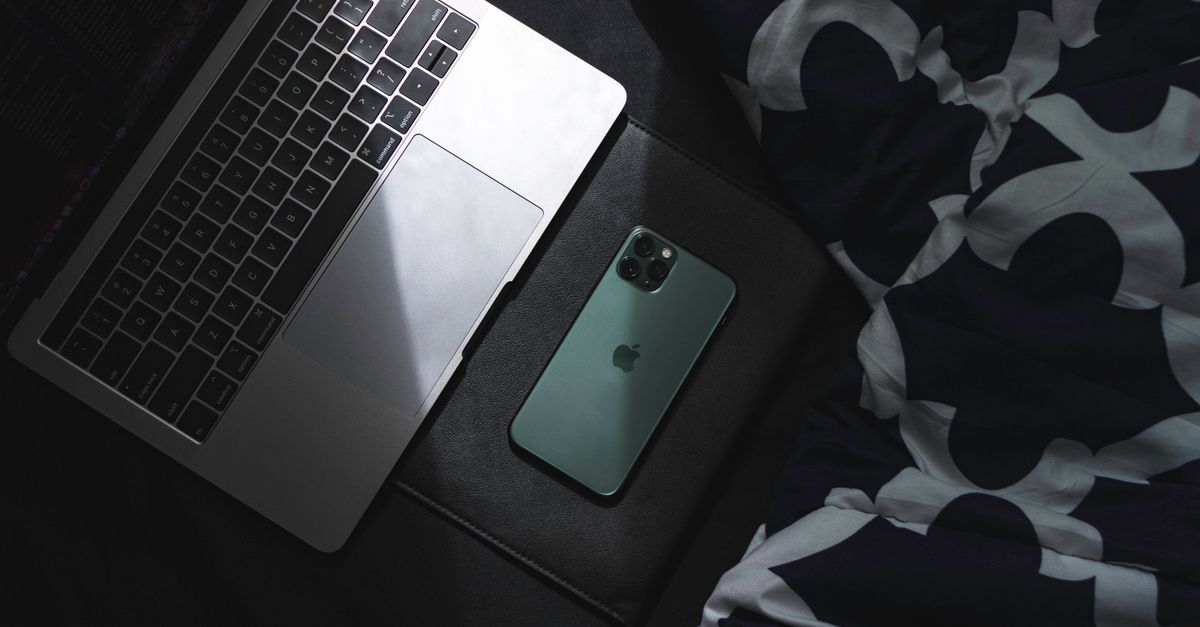
KRA officials announced that they have seized forty (40) iPhone 18 Pro and iPhone 18 Pro Max handsets at Jomo Kenyatta International Airport (JKIA). The confiscated devices are valued at approximately Sh8.2 million, which works out to an average of about Sh205,000 per phone. The operation was carried out by the Customs and Border Control Unit in collaboration with the KRA Anti‑Smuggling Division, and the seized goods were taken into KRA custody for further processing. The announcement was reported by 254news.co.ke, confirming the scale of the seizure and the high‑value nature of the items involved.
Context and background
The Kenya Revenue Authority (KRA) is the government agency responsible for collecting taxes, customs duties and enforcing trade regulations across Kenya. Over the past few years, KRA has intensified its focus on luxury goods such as high‑end smartphones, which attract significant duty and value‑added tax (VAT) liabilities. The iPhone 18 series, released globally earlier this year, commands premium prices and is often targeted by importers seeking to avoid full duty payments by under‑declaring values or misclassifying goods.
Customs officials at JKIA routinely inspect cargo and passenger luggage, using X‑ray scanners, sniffer dogs and intelligence‑driven risk profiling. The recent seizure follows a series of similar actions earlier in the year, where KRA confiscated expensive watches, designer clothing and other high‑value electronics. Those earlier cases highlighted a pattern: importers sometimes declare lower values to reduce the 25 % import duty and 16 % VAT that apply to mobile devices, thereby creating a revenue loss for the Treasury.
According to KRA’s public statements, the seized iPhones were part of a consignment that arrived on a commercial flight from a major Asian hub. The documentation accompanying the shipment reportedly listed the goods as “electronic accessories” with a declared value far below market price. When KRA officers cross‑checked the serial numbers and model specifications against the Kenya Bureau of Standards (KEBS) database, the discrepancy became evident, prompting the seizure. The agency now faces the task of determining whether the devices will be auctioned, destroyed, or returned to the rightful owners after penalties are assessed.
Compared with what is normal
Seizing forty iPhones in a single operation is unusual for Kenyan customs. Historically, KRA’s annual reports show that the average number of high‑end smartphones seized per quarter hovers around ten to fifteen units, mostly older models such as iPhone 13 or 14. The Sh8.2 million valuation also exceeds the typical quarterly seizure value, which usually ranges between Sh2 million and Sh4 million.
- Volume: 40 units in one raid versus the usual 10‑15 per quarter.
- Value: Sh8.2 million seized compared with the average Sh2‑4 million per quarter.
- Model: The iPhone 18 series is the newest generation, whereas most past seizures involved older models.
These figures suggest a heightened enforcement effort and possibly a growing market for the latest premium smartphones among Kenyan consumers and businesses. The jump in both quantity and value signals that smugglers may be targeting the newest releases, betting on high demand and willingness to pay premium prices.
Why it matters
For Kenyan SMEs that import electronic goods, the seizure underscores the financial risk of under‑declaring value or misclassifying items. Import duties on smartphones are set at 25 % of the CIF (cost, insurance, freight) value, plus a 16 % VAT. If a trader declares a lower value to reduce the duty, KRA can impose penalties that amount to up to three times the evaded tax, in addition to confiscation. This can cripple cash flow, damage reputation and lead to legal action.
Beyond individual businesses, the incident affects the broader economy. Unpaid duties represent lost revenue that could fund public services such as health, education and infrastructure. Moreover, a market flooded with under‑priced, illegally imported devices can depress legitimate retailers’ margins, creating an uneven playing field. Consumers may also face warranty and after‑sales service challenges if the devices are not sourced through authorized channels.
Practical steps
- Review all import documentation to ensure the declared value matches the commercial invoice and market price of the device.
- Engage a licensed customs broker or freight forwarder who understands KRA’s valuation guidelines for electronic goods.
- Maintain a clear audit trail of purchase orders, shipping documents and payment receipts in case KRA requests verification.
- Consider registering as an authorized dealer with the Kenya Bureau of Standards (KEBS) to demonstrate compliance and reduce inspection risk.
Adopting these measures can help SMEs avoid costly seizures and penalties while fostering a transparent import environment.
Beavoren Ventures offers a specialised Tax Planning & Compliance service that can guide businesses through proper customs valuation, duty optimisation and regulatory reporting.
Book a consultation with Beavoren Ventures today and let us handle your compliance, books, and advisory in one place.
Disclaimer: This article is informational and does not constitute formal tax, audit or legal advice. For guidance specific to your circumstances, please contact Beavoren Ventures.