What happened
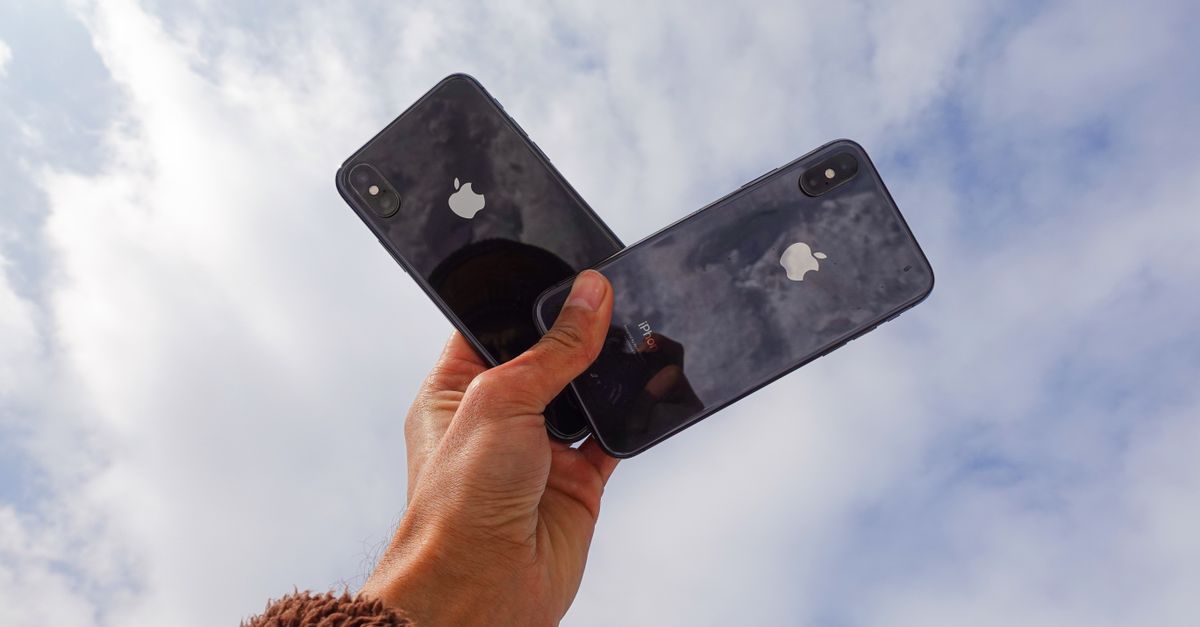
Kenya Revenue Authority (KRA) officers at Jomo Kenyatta International Airport (JKIA) recently intercepted a shipment of forty undeclared iPhone 18 smartphones. The devices were valued at approximately Sh8.2 million and were found hidden among other cargo destined for the local market. According to the official statement, the phones were not declared on the customs entry form, bypassing the standard duty and tax assessment process. KRA officials seized the phones on the spot and are now processing the case under the provisions of the Customs and Excise Act. The seizure underscores the authority’s ongoing crackdown on smuggled high‑value goods.
Context and background
The Kenya Revenue Authority has, over the past few years, intensified its surveillance at JKIA, which handles more than 70 percent of Kenya’s air cargo. The agency’s Customs Enforcement Unit (CEU) employs X‑ray scanners, sniffer dogs and risk‑based profiling to identify shipments that may be under‑declared or falsified. In 2022, KRA reported a 12 percent rise in seized electronic goods, a trend that continued into 2023 as the market for premium smartphones expanded. The iPhone 18, launched globally earlier this year, commands a premium price in Kenya, making it an attractive target for illicit importers seeking to avoid the 25 percent import duty and 16 percent value‑added tax (VAT) that apply to such devices.
Under Kenya’s tariff schedule, a new smartphone imported for resale is subject to a 25 percent import duty based on its customs value, followed by a 16 percent VAT on the sum of the customs value plus duty. For a phone valued at Sh205,000 each (the approximate market price for the iPhone 18), the statutory duty would be roughly Sh51,250 per unit, and the VAT would add another Sh41,000, bringing the total tax burden to around Sh92,250 per phone. Multiplying this by forty units translates to an estimated Sh3.69 million in taxes that would have been due if the shipment had been declared correctly. The seizure therefore represents not only a loss of revenue for the government but also a deterrent signal to other importers.
Radiokaya, a leading Kenyan media outlet, first reported the seizure, citing KRA’s press release. The agency has indicated that the owners of the undeclared shipment may face penalties ranging from monetary fines to possible imprisonment, depending on the outcome of the investigation. Historically, KRA has pursued both civil and criminal actions in similar cases, seizing assets and imposing penalties that can exceed the original customs value. This approach aligns with Kenya’s broader effort to protect domestic retailers and ensure a level playing field for businesses that comply with tax obligations.
Compared with what is normal
Seizing forty premium smartphones in a single operation is unusual for JKIA. In the past three years, the average monthly seizure of undeclared mobile devices has hovered around five to ten units, typically older models with lower market values. The Sh8.2 million valuation of the current haul dwarfs the typical monthly total, which usually falls below Sh2 million. Moreover, the concentration of a single high‑end model—iPhone 18—suggests a coordinated effort rather than an isolated mistake. The following points illustrate how this incident diverges from normal patterns:
- Volume: Forty phones versus the usual 5‑10 per month.
- Value: Sh8.2 million versus the typical Sh1‑2 million in seized electronics.
- Model focus: All units were the latest iPhone 18, whereas most seizures involve mixed or older models.
- Method: The phones were deliberately concealed, indicating intent to evade duty, unlike occasional paperwork errors.
Why it matters
For Kenyan SMEs that import or sell electronics, the seizure highlights the financial risk of non‑compliance. The potential tax liability of nearly Sh92,000 per phone demonstrates how under‑declaring can lead to massive back‑taxes, penalties, and possible criminal charges. Moreover, the incident threatens market stability; illegal imports can depress prices for legitimate retailers, erode profit margins, and create an uneven competitive environment. From a macro perspective, the loss of an estimated Sh3.7 million in unpaid duties represents a tangible hit to national revenue at a time when the government is seeking to broaden its tax base to fund infrastructure and social services.
Practical steps
- Review your import documentation to ensure all high‑value goods are accurately declared on the customs entry form.
- Calculate the exact duty and VAT payable on each smartphone using the current tariff schedule; consider using a customs broker if unsure.
- Implement internal controls, such as double‑checking invoices and shipment manifests, to catch any discrepancies before goods arrive at JKIA.
- Stay informed about KRA enforcement updates by subscribing to official bulletins or reputable business news sources.
Beavoren Ventures offers a specialised Tax Planning & Compliance service that can help SMEs navigate customs duties, optimise tax positions and avoid costly penalties associated with undeclared imports.
Need help with compliance? Email info@beavorenventures.co.ke or call +254 716 296 857.
Disclaimer: This article is informational and does not constitute formal tax, audit or legal advice. For guidance specific to your circumstances, please contact Beavoren Ventures.