What happened
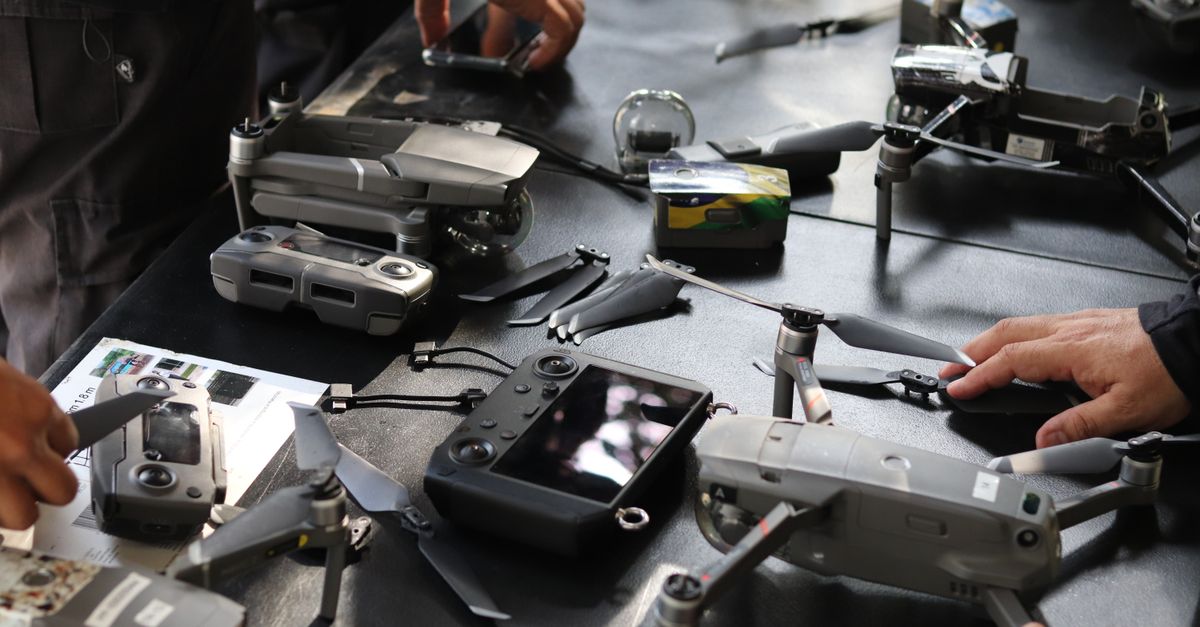
The Kenya Revenue Authority (KRA) carried out a surprise operation at Jomo Kenyatta International Airport (JKIA) this week, confiscating 52 mobile phones and three unmanned aerial vehicles (drones) that were being transported by passengers. The seizure was reported by People Daily and marks one of the largest single‑day confiscations of electronic devices at the airport in recent memory. KRA officers, acting under the authority of the Customs and Excise Act, inspected luggage and cargo on arrival and identified the items as undeclared or improperly documented. The operation was concluded without incident, and the devices were taken to the KRA warehouse for further processing.
Context and background
JKIA serves as Kenya’s primary gateway for both passenger and cargo traffic, handling over 7 million passengers annually. The airport has become a focal point for KRA’s intensified customs enforcement strategy, which was rolled out in early 2023 to curb revenue loss from smuggled goods. Mobile phones and drones are high‑value items that attract significant duty if imported for commercial use, and they are also subject to licensing requirements when intended for resale. In the past, KRA has warned that failure to declare such items can result in seizure, fines, or even criminal prosecution under the Penal Code.
The latest seizure follows a series of similar actions at major entry points, including Mombasa Port and Eldoret Airport, where KRA has targeted electronics, luxury watches, and counterfeit goods. The authority’s focus on electronic devices reflects both the rising demand for technology in Kenya and the growing risk of illegal trade networks that use concealed compartments or mislabelled cargo to avoid duty. The People Daily report did not name the specific airline or flight, but sources close to the operation indicated that the devices were discovered during routine baggage scanning combined with a targeted manual check on a high‑risk flight from a regional hub.
Legal backing for the operation comes from Sections 15 and 20 of the Customs and Excise Act, which empower KRA officers to inspect, seize, and detain goods suspected of being imported illegally. The authority is also mandated to coordinate with the Kenya Civil Aviation Authority (KCAA) and the Kenya Police to ensure that any security‑related equipment, such as drones, does not pose a threat to aviation safety. In recent years, the KCAA has issued guidelines requiring all drone operators to register their equipment and obtain a permit before bringing it into the country, a rule that KRA enforces at the border.
Compared with what is normal
Historically, KRA’s confiscations at JKIA have involved smaller batches of electronic goods—typically a handful of phones or a single drone per month. The 52‑phone haul represents a spike of more than 400% compared with the average monthly seizure reported in the 2022‑2023 fiscal year. Similarly, the capture of three drones in a single operation is unusual; the authority usually records one or two drones per quarter. This surge suggests that smugglers may be exploiting new supply chains or that KRA’s risk‑assessment algorithms have successfully identified a high‑risk flight corridor.
- Average monthly phone seizures (2022‑23): 10‑12 units.
- Average quarterly drone seizures: 1‑2 units.
- Current seizure: 52 phones and 3 drones in one day.
Why it matters
For Kenyan SMEs that import electronic equipment, the operation underscores the importance of accurate customs declarations and compliance with licensing rules. Undeclared phones attract a duty rate of up to 25% of the CIF (cost, insurance, freight) value, while drones may be subject to both duty and a specific aviation permit fee. Failure to comply can lead to costly delays, loss of inventory, and potential criminal liability. For everyday travellers, the seizure serves as a reminder that personal items such as spare phones or hobby drones must be declared if they exceed the personal‑use threshold set by KRA. Ignorance of the rules does not exempt a traveller from penalties, and the cost of a seized device can quickly exceed the duty that would have been payable.
Practical steps
- Review your import documentation: ensure every electronic item is listed on the customs declaration and that the correct HS code is used.
- Obtain the necessary permits: if you are bringing drones for commercial or recreational use, register them with the Kenya Civil Aviation Authority before arrival.
- Calculate duty liability in advance: use KRA’s online duty calculator to estimate taxes on phones, tablets, and other gadgets.
- Train staff on compliance: for businesses that ship goods, conduct a short briefing on the latest KRA enforcement trends and documentation requirements.
- Keep records of personal devices: travellers should retain purchase receipts for phones and drones to demonstrate personal‑use value if questioned at the airport.
Tax Planning & Compliance services at Beavoren Ventures can help businesses navigate KRA’s customs rules, prepare accurate declarations, and secure the permits needed for electronic imports, reducing the risk of costly seizures.
Need help with compliance? Email info@beavorenventures.co.ke or call +254 716 296 857.
Disclaimer: This article is informational and does not constitute formal tax, audit or legal advice. For guidance specific to your circumstances, please contact Beavoren Ventures.