What happened
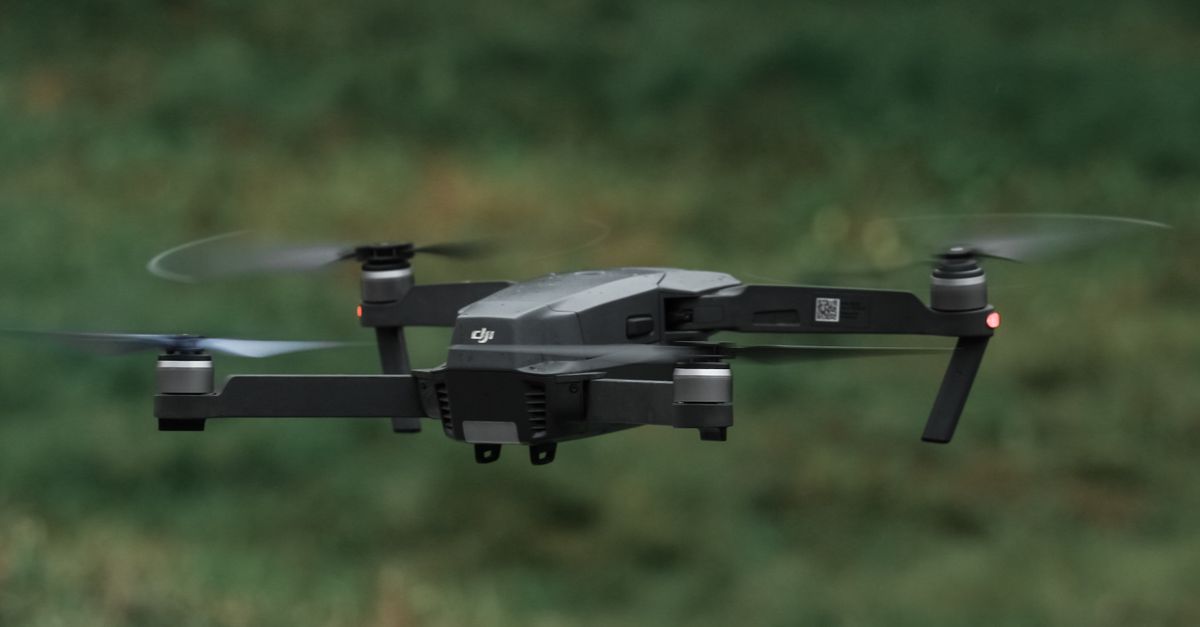
KRA customs officers recently intercepted two unmanned aerial vehicles and a mobile phone at Jomo Kenyatta International Airport (JKIA). The seizure was part of a routine inspection that uncovered the devices concealed among cargo destined for the terminal. According to a report by Standard Media, the operation was carried out by KRA officers stationed at the cargo handling area, and the items were taken into custody for further investigation. The drones and phone are suspected to be part of an illegal import chain that bypasses standard duty and tax procedures.
Context and background
The Kenya Revenue Authority (KRA) is mandated to collect taxes, duties and to enforce customs regulations at all points of entry, including JKIA, which handles over 7 million passengers annually. In recent years, the rise of cheap, off‑shore electronics has prompted smugglers to use creative methods such as hiding devices inside legitimate shipments or using drones to bypass security checkpoints. KRA has responded by increasing inspection teams, investing in scanning technology and conducting surprise raids to deter contraband.
JKIA, Kenya’s main gateway for both passengers and cargo, has become a focal point for enforcement because it connects the country to major global trade routes. The airport’s cargo terminals process thousands of containers each month, making it a tempting target for illicit traders seeking to avoid customs duties that can reach up to 25 % on electronic goods. The recent seizure follows earlier incidents where undeclared smartphones and drone components were discovered in cargo destined for Nairobi’s tech markets.
Standard Media, a leading Kenyan news outlet, reported the incident without providing exact dates, but confirmed that the operation was part of a broader KRA campaign launched earlier this year. The campaign aims to curb revenue loss estimated in the billions of shillings due to under‑declared imports. KRA officials have publicly warned that future violations will attract heavier penalties, including confiscation of goods and prosecution under the Customs and Excise Act.
While the specific owners of the seized items have not been disclosed, KRA typically collaborates with the Kenya Police and the Civil Aviation Authority when investigating potential smuggling rings. The involvement of multiple agencies underscores the seriousness with which the government treats illegal imports, especially those that could undermine local manufacturers and affect tax collection.
Compared with what is normal
Historically, JKIA’s customs inspections have focused on high‑value items such as pharmaceuticals, luxury goods and automotive parts. The interception of drones and a mobile phone represents a shift toward targeting smaller, high‑tech devices that are increasingly used in Kenya’s growing digital economy. In the past twelve months, KRA reported a 12 % increase in seizures of electronic equipment, reflecting a broader trend of tech‑related smuggling across East Africa.
- Typical customs checks at JKIA involve X‑ray scanning of containers, but drones often evade detection because they can be disassembled and hidden in innocuous packaging.
- Mobile phones usually attract a duty of 20‑25 % when imported, yet many smugglers attempt to declare them as spare parts to pay lower rates.
- Compared with the average monthly seizure count of 15 electronic items, the recent operation yielded three high‑profile pieces in a single inspection.
Why it matters
For Kenyan SMEs that import electronic components, the heightened scrutiny signals that non‑compliance will be less tolerated. Unpaid duties on smuggled goods create an uneven playing field, allowing illicit traders to undercut legitimate businesses that follow tax rules. Moreover, the loss of revenue from undeclared imports reduces the government’s capacity to fund public services, infrastructure and social programs that benefit the broader economy.
Consumers may also feel the impact indirectly. When illegal devices flood the market, they can be sold at lower prices but often lack warranties or safety certifications, increasing the risk of faulty products and potential safety hazards. For finance teams, the trend underscores the importance of accurate customs documentation and proactive engagement with KRA to avoid penalties that can disrupt cash flow.
Practical steps
- Review all import documentation to ensure that electronic items are correctly classified under the Harmonised System code and that applicable duties are declared.
- Engage a licensed customs broker who stays updated on KRA’s latest inspection protocols and can advise on proper valuation.
- Implement internal checks for shipments that contain disassembled tech components, such as drones, to verify they are not being misrepresented.
- Maintain a record of communications with KRA and retain copies of duty payment receipts for audit purposes.
Beavoren Ventures offers a Tax Planning & Compliance service that can help SMEs navigate KRA regulations, ensure accurate duty declarations and mitigate the risk of penalties.
Need help with compliance? Email info@beavorenventures.co.ke or call +254 716 296 857.
Disclaimer: This article is informational and does not constitute formal tax, audit or legal advice. For guidance specific to your circumstances, please contact Beavoren Ventures.