What happened
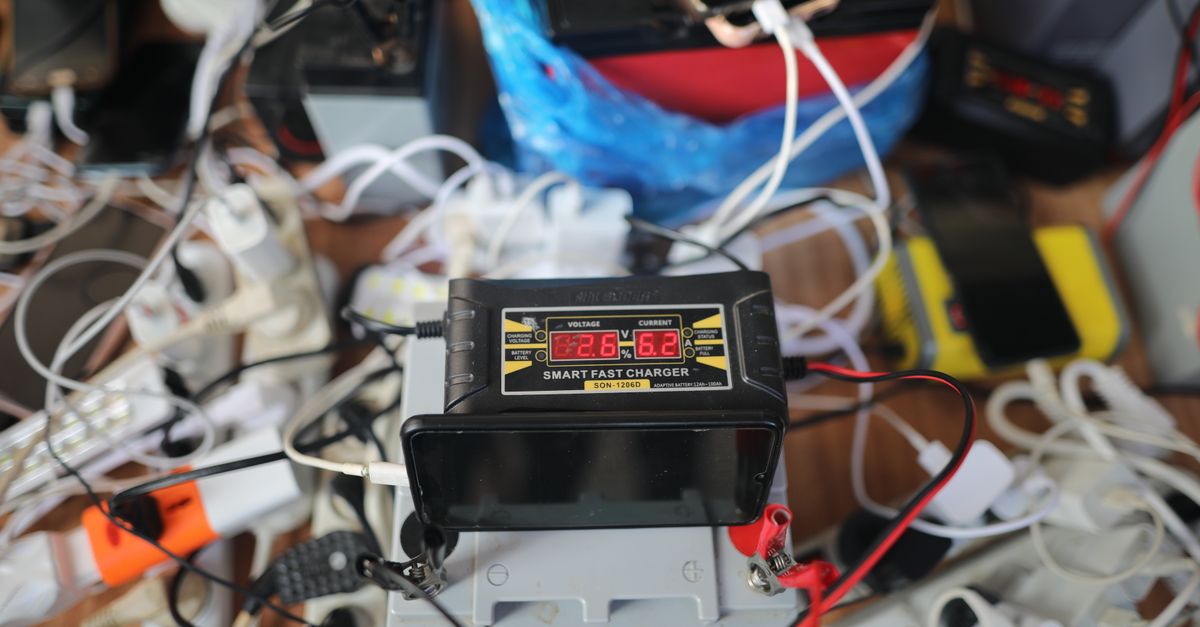
The Kenya Revenue Authority (KRA) carried out a raid in the upscale neighbourhood of Kileleshwa and seized electronic devices worth approximately Sh13 million. The operation was conducted by KRA’s Investigations and Enforcement Unit, which targets assets that are suspected of being undeclared for tax purposes. Officials reported that the seized items included high‑end laptops, smartphones, and audiovisual equipment commonly used by businesses and private individuals. The value of the confiscated goods was assessed based on market prices provided by reputable dealers. The raid underscores KRA’s intensified focus on uncovering hidden wealth that may have escaped the tax net.
Context and background
KRA’s mandate includes the collection of taxes, enforcement of compliance, and the investigation of tax evasion across Kenya. In recent years, the agency has expanded its investigative capacity, establishing specialised units to trace unreported assets and enforce penalties. The Kileleshwa operation follows a series of high‑profile enforcement actions in Nairobi’s commercial districts, where the authority has previously seized cash, vehicles, and foreign currency linked to undeclared income. These actions are part of a broader strategy to improve revenue collection, which has been a priority for the Ministry of Finance amid fiscal pressures.
The legal framework empowering KRA to conduct such raids stems from the Tax Procedures Act and the Income Tax Act, which grant the authority the power to inspect premises, seize assets, and demand documentation. When assets are deemed to have been acquired without proper tax declaration, KRA can levy penalties and, in some cases, initiate criminal proceedings. The Kileleshwa seizure reflects the agency’s use of these powers to address sophisticated tax avoidance schemes that often involve high‑value electronic equipment used for business operations or personal luxury.
While the specific individuals or companies involved in the Kileleshwa raid have not been publicly identified, KRA routinely collaborates with other law‑enforcement bodies, such as the Directorate of Criminal Investigations, to ensure due process. The agency’s public communications emphasise transparency and the intention to deter future non‑compliance. Historically, similar raids have resulted in the recovery of assets worth several million shillings, reinforcing the message that undeclared wealth will be pursued.
Stakeholders, including the Kenya Association of Manufacturers and the Kenya Private Sector Alliance, have expressed support for robust tax enforcement, noting that a level playing field benefits compliant businesses. However, they also call for clear guidelines to protect legitimate commercial activities from undue disruption. The balance between enforcement and business confidence remains a focal point in ongoing policy discussions.
Compared with what is normal
Seizures of electronic equipment in the range of Sh13 million are relatively uncommon for routine KRA operations, which often focus on cash, fuel, and transport assets. Historically, the authority’s most frequent confiscations involve lower‑value items, typically under Sh5 million, reflecting the prevalence of informal cash‑based transactions. The Kileleshwa raid therefore represents a notable escalation in the scale of asset recovery, especially given the high‑value nature of the electronics involved. This shift aligns with KRA’s recent emphasis on targeting sophisticated tax evasion that leverages technology and high‑end consumer goods.
- Typical KRA raids in urban areas recover assets worth between Sh1 million and Sh5 million.
- Electronic goods are less frequently seized compared with cash and fuel, making the Sh13 million figure an outlier.
- The value exceeds the average annual tax audit penalty for small and medium enterprises, which usually ranges from Sh200,000 to Sh1 million.
- Enforcement actions of this magnitude are more common in high‑income neighbourhoods where undeclared assets are likely to be concentrated.
Why it matters
The seizure signals to Kenyan SMEs and high‑net‑worth individuals that assets acquired without proper tax documentation are vulnerable to enforcement action. For businesses that rely heavily on electronic equipment—such as tech startups, design firms, and media houses—this development underscores the importance of maintaining accurate purchase records and ensuring that Value Added Tax (VAT) on such items is correctly accounted for. Non‑compliance can lead to substantial financial penalties, the loss of critical operational tools, and reputational damage that may affect client trust.
Moreover, the raid may influence the broader tax culture by reinforcing the perception that KRA is willing to pursue high‑value assets, thereby encouraging voluntary compliance. Companies that have previously under‑reported VAT on imported electronics could face retroactive assessments, interest, and fines. The ripple effect could also affect financing arrangements, as lenders often require proof of asset ownership and clear tax standing before extending credit.
Practical steps
- Review all recent purchases of electronic equipment to confirm that VAT invoices are valid and that the tax has been remitted to KRA.
- Maintain a detailed register of assets, including serial numbers, purchase dates, and supporting documentation, to facilitate future audits.
- Engage a qualified tax professional to conduct a compliance health‑check, focusing on high‑value assets and potential exposure.
- Implement internal controls that require cross‑verification of procurement records with accounting entries before assets are deployed.
Tax Planning & Compliance services at Beavoren Ventures can help you of asset declaration, ensure proper VAT treatment, and develop strategies to minimise future exposure to enforcement actions.
Book a consultation with Beavoren Ventures today and let us handle your compliance, books, and advisory in one place.
Disclaimer: This article is informational and does not constitute formal tax, audit or legal advice. For guidance specific to your circumstances, please contact Beavoren Ventures.