What happened
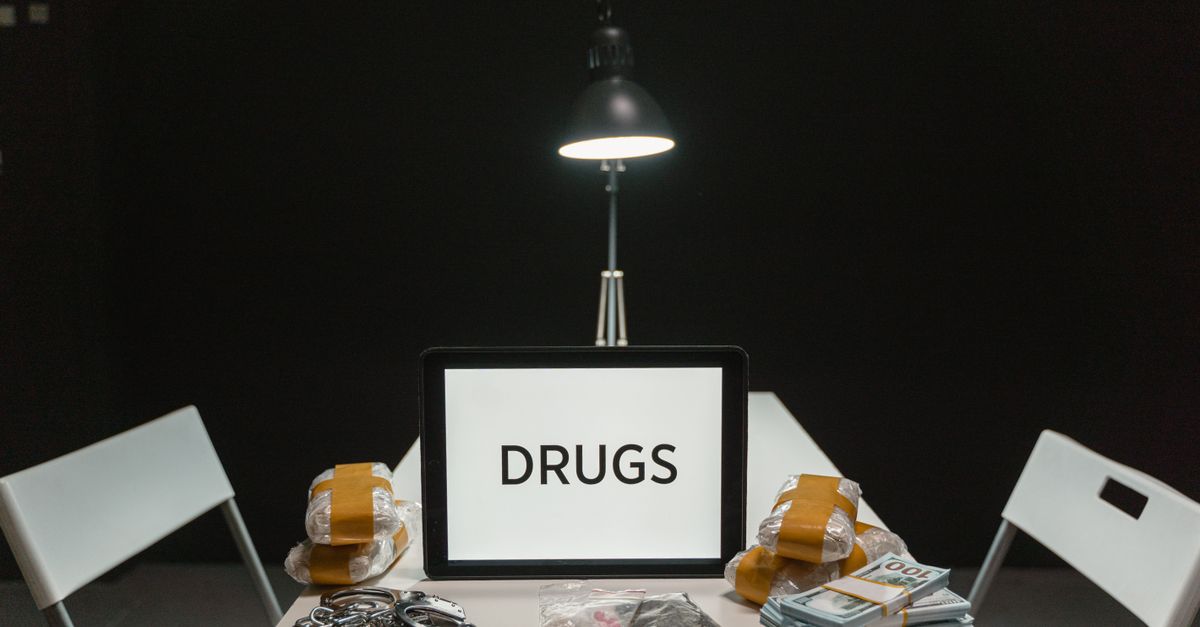
The Kenya Revenue Authority (KRA) announced that it has seized a drug consignment valued at Sh25.45 million at Eldoret Airport, a development reported by the local outlet Radiokaya. The seizure was carried out during a routine cargo inspection carried out by customs officers on a flight arriving from abroad. Officials said the illegal cargo was concealed among legitimate goods, prompting a thorough search that uncovered the narcotics. KRA’s statement emphasized that the operation reflects its ongoing commitment to curb smuggling and protect the Kenyan market from illicit substances. The incident underscores the growing vigilance of revenue and customs officials at Kenya’s major entry points.
Context and background
Eldoret Airport, located in the Rift Valley, has become a strategic hub for both passenger and cargo traffic, handling a mix of agricultural exports and imported goods. The Kenya Revenue Authority, which oversees customs, excise, and tax collection, has expanded its enforcement capabilities in recent years, investing in advanced scanning equipment and specialized training for officers. This upgrade was partly driven by the government’s 2024‑2025 anti‑smuggling strategy, which set targets for increasing the value of seizures each fiscal year. Historically, the airport has seen occasional drug interceptions, but the Sh25.45 million haul marks one of the largest single‑value seizures recorded there, signaling a shift toward more aggressive interdiction. The operation aligns with broader regional efforts to dismantle trafficking networks that use commercial cargo routes to move narcotics across East Africa.
Radiokaya, a Kenyan news platform with a focus on investigative reporting, broke the story shortly after the seizure, citing sources within KRA’s customs division. The outlet highlighted that the seized consignment was believed to be part of a larger shipment destined for multiple inland distribution points. Earlier in 2023, KRA reported a series of smaller drug busts at Nairobi’s Jomo Kenyatta International Airport, totaling roughly Sh8 million in value, which prompted calls for tighter controls at secondary airports like Eldoret. The current seizure therefore represents a notable escalation in both scale and geographic spread of enforcement actions. Analysts suggest that traffickers may be adapting their routes to avoid the heavily monitored Nairobi hub, turning to regional airports that historically saw less scrutiny.
The legal framework empowering KRA to act stems from the Customs and Excise Act, the Narcotic Drugs and Psychotropic Substances (Control) Act, and the Anti‑Corruption and Economic Crimes Act. Under these statutes, customs officers are authorized to detain, examine, and confiscate any cargo suspected of containing prohibited items, and to impose forfeiture penalties on owners or consignees. In cases where the seized goods are linked to criminal enterprises, the matter is referred to the Directorate of Criminal Investigations for prosecution. The Sh25.45 million seizure will likely result in both criminal charges for the alleged importers and a substantial forfeiture, which the government may allocate to anti‑drug programmes. The incident also triggers a review of customs clearance procedures at Eldoret, potentially leading to longer processing times for legitimate traders.
Compared with what is normal
Typical drug seizures at Kenyan airports have ranged between Sh5 million and Sh12 million over the past five years, with the majority occurring at the main international gateway in Nairobi. The Sh25.45 million haul at Eldoret therefore exceeds the average by more than double, placing it among the top five largest seizures in the country’s recent history. Seasonal patterns show a modest increase in contraband attempts during the festive period (December–January) and the agricultural harvest season (June–August), but the timing of this seizure—outside those peaks—suggests a deliberate shift by smugglers to exploit perceived gaps in enforcement. Compared with neighboring Tanzania’s customs data, which reported an average seizure value of about Sh7 million in 2023, Kenya’s recent figures indicate a more aggressive interdiction stance. The heightened value also reflects the growing profitability of synthetic narcotics, which command higher market prices than traditional plant‑based drugs.
- Average annual drug seizure value at Kenyan airports (2020‑2023): Sh8‑12 million.
- Largest recorded seizure prior to this event: Sh22 million at Nairobi in 2022.
- Typical processing time for cargo clearance at Eldoret: 2‑4 hours; expected to increase after the seizure.
- Projected increase in customs inspections nationwide for 2024‑2025: 15 percent.
- Regional comparison: Tanzania’s average seizure value in 2023 was roughly Sh7 million.
Why it matters
The seizure has immediate implications for Kenyan SMEs that rely on air cargo for importing raw materials, as heightened inspections may lengthen clearance times and raise operational costs. Businesses that ship goods through Eldoret Airport might need to allocate additional resources for compliance checks, documentation, and potential delays, which could affect cash flow and delivery schedules. Moreover, the incident highlights the risk of inadvertently becoming entangled in illegal shipments if proper due diligence is not exercised when selecting freight forwarders or logistics partners. From a broader perspective, the crackdown aims to protect public health by limiting the influx of narcotics, but it also signals to the private sector that regulatory scrutiny is intensifying across all points of entry. Companies that fail to adapt may face penalties, loss of reputation, or even criminal investigations, underscoring the need for robust internal controls and awareness of customs regulations.
Practical steps
- Review and update your company’s freight forwarding contracts to include clauses requiring full disclosure of cargo contents and compliance with KRA regulations.
- Conduct a quick internal audit of recent imports to ensure all documentation matches the physical goods, and flag any discrepancies for immediate clarification.
- Engage with a qualified customs broker or consultant to verify that your shipments meet all customs valuation and classification requirements before arrival.
- Train your logistics and procurement teams on the signs of suspicious packaging or documentation that could trigger deeper inspections.
- Set aside a contingency fund to cover potential delays or additional fees arising from increased customs scrutiny.
Beavoren Ventures’ Tax Planning & Compliance service can help SMEs navigate the evolving customs landscape, ensuring that your import processes remain compliant while minimizing fiscal exposure.
Need help with compliance? Email info@beavorenventures.co.ke or call +254 716 296 857.
Disclaimer: This article is informational and does not constitute formal tax, audit or legal advice. For guidance specific to your circumstances, please contact Beavoren Ventures.