What happened
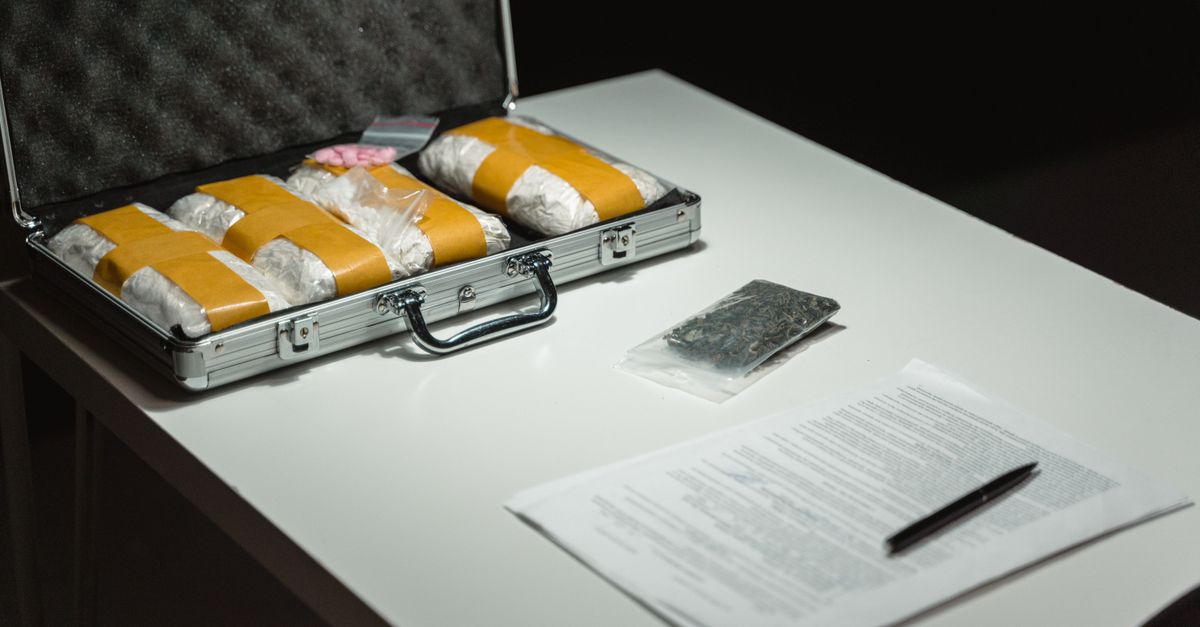
According to a recent report by Standard Media, the Kenya Revenue Authority (KRA) intercepted smuggled goods in Eldoret with an estimated market value of KSh46.8 million. The seizure took place at the Eldoret Customs Office during routine cargo inspections. KRA officials said the goods were concealed using false documentation and irregular packing methods. The operation is part of a broader crackdown on illicit trade that has intensified over the past year.
Context and background
Eldoret, a key logistics hub in western Kenya, handles a high volume of cross‑border cargo moving between Tanzania, Uganda and the Democratic Republic of Congo. The KRA, mandated to collect customs duties and curb contraband, has upgraded its inspection technology and increased staff training since 2022. In the months leading up to the seizure, the authority announced a series of joint operations with the Kenya Police and the Directorate of Criminal Investigations to target high‑risk shipments.
The intercepted cargo included a mix of consumer electronics, textiles and agricultural inputs, all declared at values far below market rates. Investigators traced the paperwork to a network of freight forwarders operating out of the Eldoret Industrial Area, a sector that has historically been vulnerable to under‑invoicing and mis‑declaration. The KRA’s Intelligence Unit flagged the shipment after cross‑checking it against import data from the East African Community’s Integrated Trade Information System.
Kenyan customs law imposes steep penalties for under‑valuation, ranging from fines equal to twice the duty shortfall to possible imprisonment for repeat offenders. Past high‑profile cases, such as the 2021 seizure of KSh120 million worth of counterfeit shoes in Mombasa, have set precedents for aggressive enforcement. The current seizure underscores KRA’s commitment to applying similar rigor in inland ports like Eldoret.
While the exact identities of the importers have not been disclosed, the KRA confirmed that legal proceedings are underway and that the seized goods will be held pending court orders. The authority also indicated that the revenue loss from the under‑declared goods could have exceeded KSh30 million in unpaid duties, a figure that would have contributed directly to the national treasury.
Compared with what is normal
Customs interceptions in Eldoret typically involve lower‑value consignments, often ranging between KSh5 million and KSh15 million per operation. The KSh46.8 million seizure therefore represents a significant outlier, both in monetary terms and in the complexity of the concealment tactics used. Historically, inland customs points have reported fewer high‑value smuggling attempts compared with coastal ports, where maritime cargo volumes are larger.
- Average monthly seizure value in Eldoret (2020‑2023): KSh8 million.
- Peak seizure recorded in 2022: KSh22 million, involving agricultural chemicals.
- National average seizure value across all points in 2023: KSh31 million.
- Typical duty evasion rate for inland ports: 2‑3 % of declared value, versus 5‑7 % at coastal ports.
- Number of KRA‑led joint operations in western Kenya last year: 12, compared with 28 nationwide.
Why it matters
For Kenyan SMEs that rely on imported inputs, the heightened scrutiny translates into longer clearance times and the need for more accurate documentation. Companies that underestimate duties risk severe penalties, which can erode profit margins and damage reputations. On a macro level, the recovered duties bolster government revenue, supporting public services and infrastructure projects that benefit the broader economy.
Moreover, the seizure sends a clear signal to freight forwarders and traders that the KRA is willing to allocate resources to inland ports. This could encourage a shift toward greater compliance, reducing the prevalence of under‑invoicing that distorts market competition. For consumers, tighter enforcement may lead to higher retail prices in the short term, but it also helps protect against substandard or counterfeit goods entering the market.
Practical steps
- Review all import documentation to ensure declared values reflect true market prices; seek professional advice if unsure.
- Implement internal controls such as cross‑checking invoices with supplier quotations before filing customs declarations.
- Train logistics staff on KRA’s latest inspection protocols and the importance of accurate paperwork.
- Consider using KRA’s electronic filing system (e‑Clearance) to reduce manual errors and improve traceability.
- Maintain a record of duty payments and receipts for at least five years to facilitate any future audits.
Beavoren Ventures’ Tax Planning & Compliance service can help SMEs navigate complex customs regulations, ensure accurate duty calculations and avoid costly penalties.
Book a consultation with Beavoren Ventures today and let us handle your compliance, books, and advisory in one place.
Disclaimer: This article is informational and does not constitute formal tax, audit or legal advice. For guidance specific to your circumstances, please contact Beavoren Ventures.