What happened
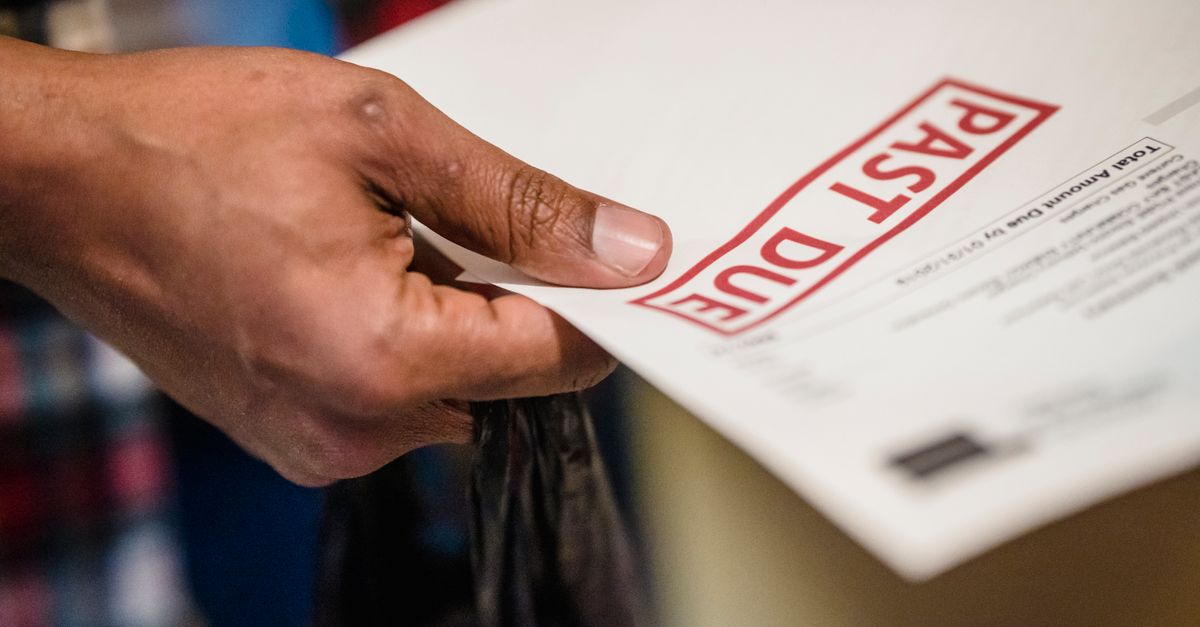
The Kenya Revenue Authority (KRA) has formally issued an agency notice to former Nairobi mayor Mike Sonko, seeking the recovery of KSh623 million in outstanding tax liabilities. The notice, which is a legal instrument used by KRA to enforce tax collection, signals that the revenue body is moving from investigation to enforcement. While the exact date of issuance was not disclosed publicly, the development was reported in local media this week, confirming that the debt has been under KRA’s radar for some time. Sonko, whose full name is Michael Rotich, has previously faced several financial and legal challenges, but this is the first time the authority has quantified the amount at KSh623 million. The agency notice requires Sonko to settle the debt within a stipulated period or face further legal action, including possible asset seizure.
Context and background
Mike Sonko rose to national prominence as the flamboyant governor of Nairobi County from 2017 to 2020, after serving as a senator for Nairobi County. His tenure was marked by high‑profile development projects, but also by allegations of corruption, misuse of public funds, and tax evasion. Over the past few years, KRA has been tightening its enforcement mechanisms, especially against high‑profile individuals whose tax compliance is seen as a test of the authority’s impartiality. Sonko’s tax affairs have been under scrutiny since his exit from public office, with the revenue body alleging that he failed to declare income from business interests, property rentals, and consultancy fees.
The agency notice is part of KRA’s broader strategy to recover revenue that it deems lost due to non‑compliance. Under the KRA Act, an agency notice serves as a formal demand for payment and can be followed by a garnishee order, seizure of movable assets, or a court‑filed judgment. In Sonko’s case, the notice references assessments made during the 2021‑2022 fiscal years, when KRA conducted a series of audits on former public officials. The assessments reportedly identified unreported income and disallowed deductions, leading to the KSh623 million figure.
Historically, Sonko has been involved in several legal battles, including a 2021 fraud case related to the procurement of a waste‑to‑energy plant. While many of those cases remain unresolved, the tax notice adds another layer of financial pressure. Analysts note that the amount, while substantial, is not unprecedented for high‑net‑worth Kenyans who have been the subject of KRA investigations. The notice also reflects KRA’s intent to demonstrate that no individual is above the tax law, a message that resonates with the public’s demand for accountability.
Compared with what is normal
In the Kenyan tax landscape, agency notices are typically issued for debts ranging from a few hundred thousand shillings to several hundred million, depending on the taxpayer’s profile. The KSh623 million figure places Sonko’s case among the larger individual recoveries in recent years, but it is still below the multi‑billion‑shilling recoveries seen in corporate tax enforcement actions. For context, KRA reported recovering over KSh30 billion from corporate entities in the 2022‑2023 fiscal year, while individual notices rarely exceed KSh1 billion.
- Average individual agency notice amount (2021‑2023): KSh150‑300 million.
- Typical enforcement timeline: notice issuance, 30‑day payment window, followed by legal steps if unpaid.
- Sonko’s notice exceeds the average by roughly double to quadruple, indicating a significant alleged shortfall.
Why it matters
The issuance of the agency notice has several practical implications for Kenyan SMEs, investors, and the broader public. First, it underscores KRA’s heightened focus on high‑value taxpayers, signalling that the authority is willing to allocate resources to pursue large debts, even when the debtor is a former public official. Second, the case may affect Sonko’s business interests, including his holdings in real estate, hospitality, and transport, as creditors could seek to attach assets to satisfy the debt. Third, the public nature of the notice reinforces the message that tax compliance is non‑negotiable, potentially encouraging other high‑net‑worth individuals and companies to review their own tax positions to avoid similar actions.
Practical steps
- Review your own tax filings for any discrepancies or unreported income, especially if you operate multiple businesses or hold significant assets.
- Engage a qualified tax adviser to conduct a pre‑emptive audit of your records, ensuring that deductions and declarations align with KRA’s guidelines.
- If you receive an agency notice, respond within the stipulated period, either by settling the amount or filing an objection with supporting documentation.
- Maintain clear documentation of all income streams, contracts, and expenses to facilitate any future KRA enquiries.
- Stay informed about KRA’s enforcement trends, as they can influence financing terms with banks that assess tax compliance as part of credit risk.
Tax Planning & Compliance services at Beavoren Ventures can help you navigate complex tax assessments, prepare robust documentation, and respond effectively to KRA notices, ensuring that your business remains compliant and financially protected.
Book a consultation with Beavoren Ventures today and let us handle your compliance, books, and advisory in one place.
Disclaimer: This article is informational and does not constitute formal tax, audit or legal advice. For guidance specific to your circumstances, please contact Beavoren Ventures.