What happened
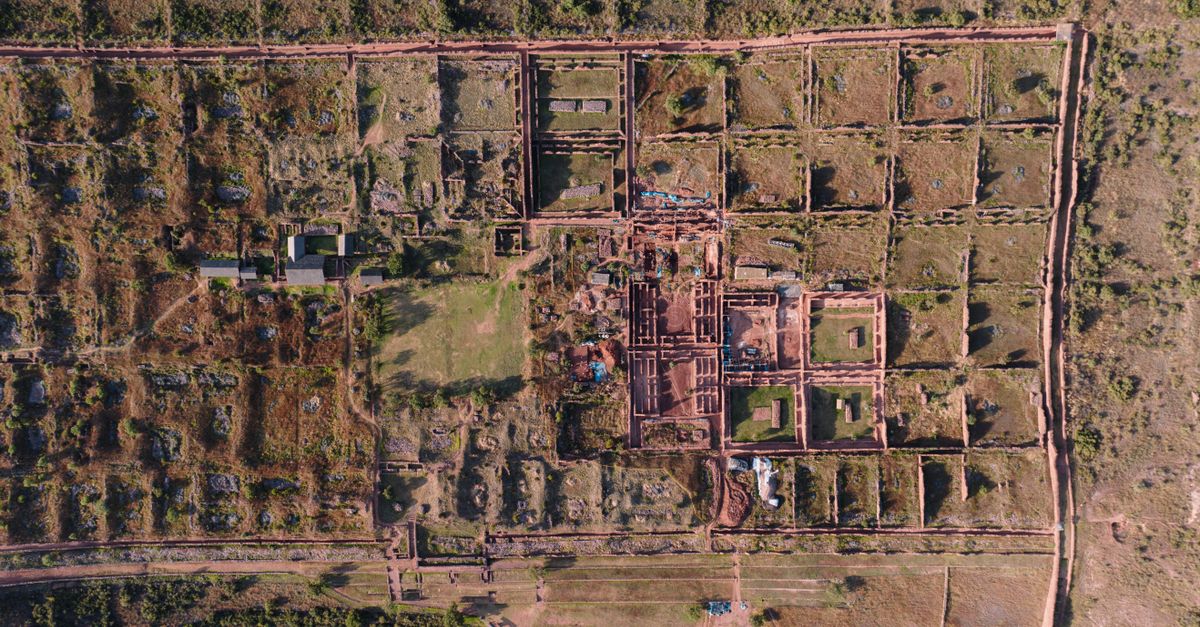
On a recent morning in Baringo County, officers from the Kenya Revenue Authority (KRA) carried out a targeted raid on a facility that had been under suspicion for irregular financial activity. The operation, which lasted several hours, culminated in the seizure of documents, electronic records and cash that appeared to be linked to a hidden revenue‑generation scheme. KRA officials disclosed that the raid uncovered a secret operation that had been funneling income without proper tax declarations. While the exact monetary value of the undisclosed revenue has not been released, the authority indicated that the scale was significant enough to warrant a public statement. The agency has pledged to pursue further investigations and to bring any violators to account under Kenyan tax law.
Context and background
The discovery follows a series of intensified enforcement actions by KRA across the country, aimed at curbing informal economic activities that erode the tax base. Over the past two years, KRA has increased its audit capacity, deploying more field officers and leveraging data analytics to identify high‑risk entities. In Baringo, the local economy is heavily reliant on agriculture, small‑scale trading and emerging tourism, sectors that historically face challenges in formalising revenue streams. The raid was reportedly triggered by a tip‑off received through KRA’s whistle‑blower portal, a channel that encourages citizens to report suspected tax violations anonymously. Prior to this incident, the region had seen limited high‑profile enforcement, making the current operation a notable escalation in regulatory scrutiny.
Key players in the investigation include the KRA’s Investigations Directorate, which coordinates major raids, and the Baringo County Revenue Office, which provides local intelligence. The Directorate’s mandate is to enforce compliance, recover lost revenue and deter future evasion, often working in partnership with other law‑enforcement bodies such as the Directorate of Criminal Investigations (DCI). The secret operation uncovered appears to have involved multiple actors, including individuals who were not formally registered as businesses, as well as a network of intermediaries that facilitated cash transactions outside the formal banking system. Although the names of the individuals have not been released, KRA’s spokesperson indicated that the perpetrators could face penalties ranging from hefty fines to imprisonment, depending on the severity of the offence.
Historically, Kenya has struggled with a sizable informal sector, estimated by the World Bank to account for roughly 30 % of GDP. The government’s Vision 2030 and the “Tax for Development” agenda both stress the importance of widening the tax net and improving compliance. Recent legislative changes, such as the Finance Act 2022, introduced stricter penalties for under‑reporting income and expanded KRA’s authority to conduct surprise inspections. The Baringo raid therefore aligns with a broader national push to modernise tax administration, digitise reporting mechanisms and close loopholes that enable secret operations to thrive. Observers note that the public exposure of such activities may serve as a deterrent, encouraging other informal operators to formalise their businesses.
Public reaction to the raid has been mixed. Local business owners expressed concern that increased enforcement could disrupt legitimate trade, especially in areas where cash transactions are common due to limited banking infrastructure. Conversely, civil society groups welcomed the move, arguing that a level playing field is essential for fair competition and for funding public services such as health, education and infrastructure. Media outlets, including Kenyans.co.ke, have highlighted the episode as a reminder that tax compliance is not optional, and that KRA is willing to act decisively when evidence of wrongdoing emerges. The story continues to develop as KRA prepares to release a detailed report on the findings and any subsequent legal actions.
Compared with what is normal
In previous years, KRA raids in the Rift Valley region have typically focused on large‑scale agricultural exporters or mining operations, with few high‑profile actions targeting small‑town enterprises. The Baringo incident marks a departure from that pattern, signalling that the authority is now extending its reach into more remote and traditionally low‑visibility sectors. Historically, the average value of assets seized in comparable raids has hovered around Sh10 million to Sh30 million, whereas early indications suggest that the Baringo operation may involve sums well beyond that range, though exact figures remain undisclosed. Additionally, the speed and coordination of the raid—executed within a single day—contrast with earlier operations that often unfolded over several weeks due to logistical constraints. This shift reflects KRA’s growing reliance on real‑time intelligence and digital forensics, tools that were less accessible in past enforcement cycles.
- Typical raids focus on large exporters; Baringo raid targets a hidden, locally‑based operation.
- Average seized assets in past raids: Sh10‑30 million; Baringo’s potential exposure appears higher.
- Previous investigations took weeks; this raid was completed in hours, showing faster response.
- Enforcement now leverages tip‑offs and data analytics more heavily than before.
Why it matters
The exposure of a secret operation in Baringo has direct implications for Kenyan SMEs, especially those operating in cash‑heavy environments. First, it underscores the heightened risk of regulatory scrutiny for businesses that have not fully integrated into the formal tax system, meaning that even modest enterprises could become targets of future investigations. Second, the potential recovery of undeclared revenue could translate into additional fiscal resources for the national budget, which may be earmarked for infrastructure projects, health initiatives or education programs that benefit the broader community. Third, the raid sends a clear signal to the informal sector that non‑compliance will no longer be tolerated, prompting many operators to reconsider their accounting practices, adopt digital payment solutions and register for tax identification numbers (TINs). Finally, for investors and lenders, the incident highlights the importance of conducting thorough due‑diligence on local partners, ensuring that their financial records are transparent and that they adhere to Kenyan tax regulations.
Practical steps
- Review your company’s tax filings and ensure all income, including cash sales, is reported accurately; reconcile bank statements with sales registers.
- Register for a Tax Identification Number (TIN) if you have not already done so, and keep your registration details up to date with KRA.
- Adopt digital payment platforms or point‑of‑sale (POS) systems that automatically generate electronic receipts, reducing reliance on cash‑only transactions.
- Conduct an internal audit or engage a qualified accountant to identify any gaps in compliance before KRA initiates a surprise inspection.
Tax Planning & Compliance services at Beavoren Ventures can help you navigate the new enforcement landscape, ensuring your records are in order and that you meet all statutory obligations.
Talk to our team at Beavoren Ventures - info@beavorenventures.co.ke - to set up your systems correctly.
Disclaimer: This article is informational and does not constitute formal tax, audit or legal advice. For guidance specific to your circumstances, please contact Beavoren Ventures.