What happened
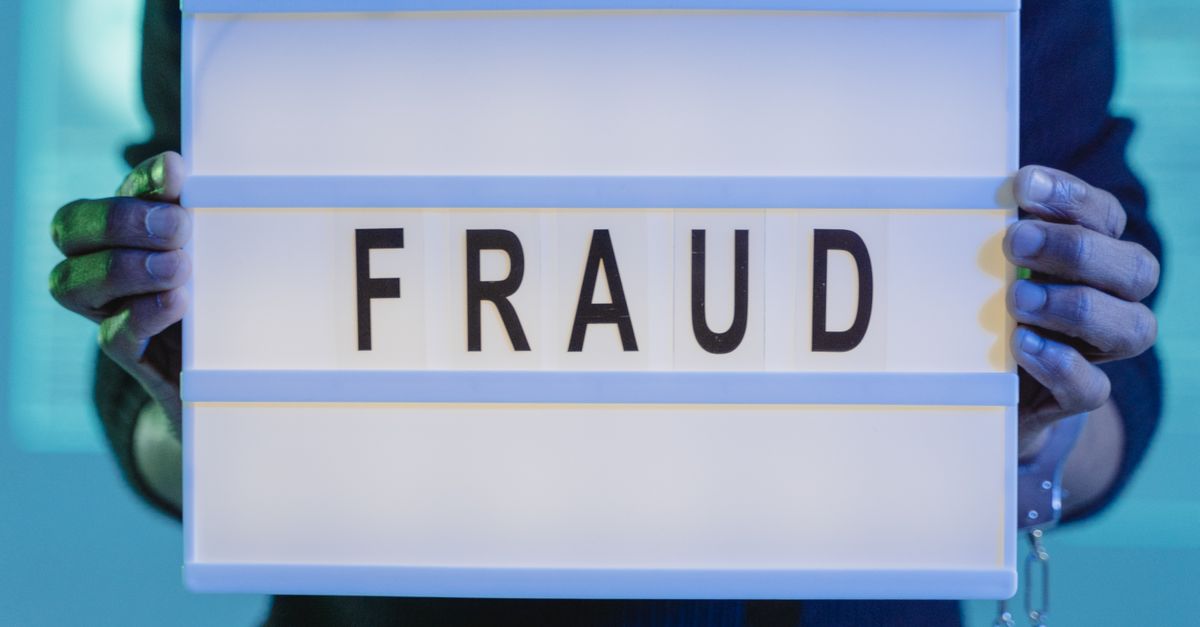
The Kenya Revenue Authority (KRA) announced that investigators have uncovered a fake invoice scheme that resulted in an estimated Sh4 billion loss in value‑added tax (VAT). The fraud was detected during a routine audit of large‑scale suppliers and was confirmed by the Kenya News Agency. KRA officials said the counterfeit documents were used to claim excessive input tax refunds, effectively reducing the tax payable by the conspirators. The authority has begun legal proceedings against the individuals and firms implicated, and it is reviewing its audit methodology to prevent similar abuses in the future.
Context and background
KRA, the government body responsible for tax collection, has long battled VAT evasion, which undermines public revenue and distorts market competition. VAT in Kenya is levied at a standard rate of 16 % on most goods and services, and businesses are required to retain original tax invoices to substantiate input‑tax claims. Over the past few years, KRA has intensified its use of digital tools such as iTax and the Integrated Tax Management System (ITMS) to track invoice authenticity and cross‑verify supplier data.
The current scandal centres on a network of traders who fabricated purchase invoices for goods that were never supplied, or for inflated quantities, and then filed for input‑tax refunds on those bogus transactions. Such schemes exploit the time lag between filing a return and the authority’s verification process, allowing fraudsters to pocket the reclaimed tax before the error is detected. Similar fraud rings have been exposed in 2018 and 2020, but the Sh4 billion figure marks the largest single‑instance loss recorded to date.
Legal experts note that the offence falls under the Penal Code and the VAT Act, both of which prescribe heavy fines and imprisonment for deliberate falsification of tax documents. The KRA’s investigative unit, working in collaboration with the Directorate of Public Prosecutions, has already seized a number of falsified invoices and is tracing the financial flows through bank statements and corporate registries. The agency has warned that any business found to have benefitted from the scheme, even inadvertently, could face penalties unless they can demonstrate full cooperation.
Compared with what is normal
Kenya’s annual VAT collections typically amount to several hundred billion shillings, representing a core pillar of the national budget. A single fraud episode that drains Sh4 billion therefore constitutes a noticeable dent, roughly equivalent to 0.8 % of the total VAT revenue recorded in the most recent fiscal year. While isolated cases of input‑tax misstatement are not uncommon, the scale of fabricated documentation in this instance is unprecedented.
- Typical VAT collection (2023/24) – over Sh500 billion (government reports).
- Average annual VAT fraud detected – estimated at less than Sh500 million.
- Current fraud loss – Sh4 billion, eight times the usual fraud detection amount.
- Impact on revenue – reduces funds available for public services such as health, education and infrastructure.
Why it matters
For Kenyan SMEs, the fallout from this fraud has immediate relevance. First, heightened scrutiny means that routine tax filings may be subject to deeper verification, potentially delaying refunds that many small businesses rely on for cash flow. Second, the episode underscores the importance of robust internal controls over procurement and invoice management; firms that fail to verify supplier legitimacy could be implicated, even if they acted in good faith. Third, the government’s response – likely including tighter penalties and more frequent audits – could raise compliance costs, especially for businesses that operate on thin margins. Finally, the loss of Sh4 billion weakens the fiscal space for public investment, which can indirectly affect the operating environment for all enterprises.
Practical steps
- Review all purchase invoices received in the past 12 months; verify supplier details and ensure that supporting documents such as delivery notes match the invoiced amounts.
- Implement a dual‑approval system for input‑tax claims, requiring at least two senior staff members to sign off before submission to KRA.
- Adopt electronic invoicing where possible, using platforms that integrate directly with iTax to reduce the risk of manual manipulation.
- Conduct a short internal audit focused on VAT compliance, preferably with the assistance of a qualified tax adviser, to identify any gaps before KRA’s next round of checks.
- Stay informed about KRA’s latest circulars and guidance notes on VAT fraud, and attend any free workshops or webinars offered by the authority.
Beavoren Ventures’ Tax Planning & Compliance team can help SMEs audit their VAT processes, ensure that invoices are authentic, and align filing practices with the latest KRA regulations.
Need help with compliance? Email info@beavorenventures.co.ke or call +254 716 296 857.
Disclaimer: This article is informational and does not constitute formal tax, audit or legal advice. For guidance specific to your circumstances, please contact Beavoren Ventures.