What happened
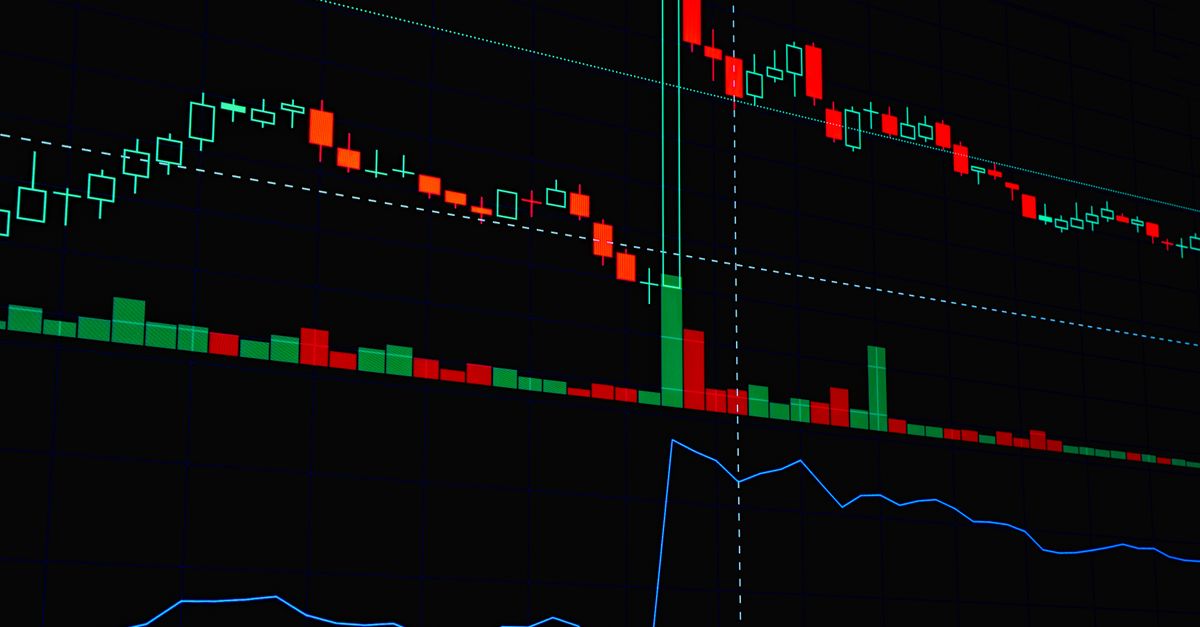
The Strategic Vault, a TradingView user known for systematic market analysis, posted a backtest titled “Nifty 50: A Profitable Backtest We Rejected” for the NSE:NIFTY ticker. The post highlighted that the backtest, while showing a positive outcome on paper, was deliberately dismissed by the author due to concerns over its robustness and real‑world applicability.
Context and background
The Nifty 50 index, managed by the National Stock Exchange of India (NSE), tracks the performance of fifty large‑cap Indian companies across sectors such as finance, information technology and consumer goods. It is widely regarded as a barometer of Indian economic health and attracts global investors seeking exposure to emerging‑market growth. TradingView, a cloud‑based charting platform, enables users to design, test and share trading strategies, making it a popular hub for both retail and professional traders worldwide.
The Strategic Vault’s backtest was uploaded on TradingView’s public library, where users can view the strategy’s entry and exit rules, risk parameters and historical performance metrics. In the accompanying commentary, the author explained that while the algorithm generated a series of winning trades over the tested period, several methodological red flags prompted a decision to reject the strategy for live deployment. These red flags included over‑reliance on a single technical indicator, lack of diversification across sectors, and an absence of forward‑testing on out‑of‑sample data.
Backtesting, by definition, simulates how a trading rule would have performed using historical price data. It is a valuable tool for hypothesis generation but carries inherent pitfalls, especially when the test period coincides with atypical market conditions such as the COVID‑19 pandemic or unusually high volatility episodes. The Strategic Vault’s caution reflects a broader debate among analysts: a backtest that looks profitable on paper may still fail when confronted with slippage, transaction costs, or shifts in market microstructure. For Kenyan SMEs and individual investors, the episode underscores the importance of scrutinising the assumptions behind any foreign‑market strategy before allocating capital.
Compared with what is normal
In the Kenyan investment community, backtesting of foreign indices like the Nifty 50 is less common than local market analysis of the NSE 20‑Share Index. Typically, Kenyan traders rely on fundamental analysis of Kenyan listed companies, supplemented by macro‑economic data from the Central Bank of Kenya. By contrast, the Nifty 50 has delivered an average annual return of around 10‑12% over the past decade, a figure that many Kenyan investors view as attractive for diversification. However, the norm for most local traders is to avoid complex algorithmic strategies unless they have access to robust data feeds and risk‑management infrastructure.
- Local practice: manual chart review and simple moving‑average signals.
- Foreign practice: sophisticated multi‑factor models tested on high‑frequency data.
- Risk awareness: Kenyan investors often factor in currency risk and regulatory differences when considering Indian equities.
Why it matters
The rejection of a seemingly profitable backtest sends a clear signal to Kenyan investors who are increasingly looking beyond the Nairobi Securities Exchange for growth opportunities. It reminds them that a strategy’s historical profitability does not guarantee future success, especially when the underlying market dynamics differ substantially. For SMEs with foreign‑exchange exposure, mis‑reading such signals could lead to over‑optimistic capital allocation, exposing the business to unnecessary market risk and potential losses. Moreover, the episode highlights the need for due diligence on the part of Kenyan finance teams: understanding the assumptions, data quality and risk controls embedded in any foreign‑market model is essential before committing funds.
Practical steps
- Review the methodology: Check whether the backtest includes realistic transaction costs, slippage and out‑of‑sample validation.
- Assess currency risk: Evaluate how fluctuations between the Kenyan shilling and Indian rupee could affect returns.
- Start small: If you decide to pilot a foreign‑market strategy, allocate a modest portion of your portfolio and monitor performance closely.
- Seek local expertise: Consult a financial advisor familiar with cross‑border investments to interpret the results in a Kenyan context.
Beavoren Ventures’ Financial Management & Analysis service can help you evaluate foreign‑market strategies, quantify associated risks and integrate them into your overall financial plan.
Need help with compliance? Email info@beavorenventures.co.ke or call +254 716 296 857.
Disclaimer: This article is informational and does not constitute formal tax, audit or legal advice. For guidance specific to your circumstances, please contact Beavoren Ventures.